
How cold winter in Moldova really gets
Our winters are cold, but not extreme. The State Hydrometeorological Service gives a normal average January temperature of between −2 °C in the south and −4 °C in the north.
In Chișinău, the January average for 1991–2020 is −1.8 °C. The average low is −4.2 °C in January, −3.0 °C in February and −2.5 °C in December. This means that from December to February, a car parked outside overnight usually starts in the morning below 0 °C.
Hard frosts are rare, but they do come. The Hydrometeorological Service counts, on average, 5–11 days below −10 °C and 1–5 days below −15 °C in January. The record low in Chișinău is −28.4 °C.
How much range drops: what the data and tests show
Recurrent, which tracks more than 30,000 electric cars in the US, shows that at 0 °C a car keeps on average 78% of its range, and about 70% at −7 °C. The best keep 88%, the weakest 69%.
Most of the loss comes from heating. US Department of Energy tests (fueleconomy.gov) at −7 °C show 41% less range in mixed driving, and about two thirds of the extra energy goes to heating the cabin. Without heating, the loss is only around 12%.
The highway is harder. In the ADAC test from January 2026, 14 family electric cars drove the Munich–Berlin route, 582 km, on a test stand at 0 °C, starting cold, without a preheated battery. On average they used 57% more than their WLTP figure: the Tesla Model Y 40% more, the Hyundai Ioniq 5 69% more. The only Chinese model in the test, the all-wheel-drive BYD Sealion 7, used over 35 kWh per 100 km and did not reach 300 km on one charge.
The Norwegian NAF El Prix test, in January 2026, ran between −7 °C and −32 °C. The 24 cars fell on average 38% short of WLTP. The previous winter, at temperatures between −6 °C and +8 °C, closer to ours, the average shortfall was 18%. For Moldova, our estimate is that a typical winter day is closer to the 2025 test than to the 2026 one.
Note: all these percentages are relative to WLTP. Chinese spec sheets use CLTC, which is even more optimistic, so the loss relative to the spec-sheet figure is bigger.
NAF El Prix test, Norway, January 2026 · between −7 °C and −32 °C
How much range several cars lost vs. WLTP in hard frost
The longer the bar, the more range the car lost. Highlighted: Chinese brands. The test was run in much harder frost than Moldova gets: the previous winter, between −6 °C and +8 °C, the average loss was 18%. The percentages are relative to WLTP; relative to the CLTC figure on Chinese spec sheets, the loss is bigger.
Source: NAF (Norges Automobil-Forbund), El Prix vinter 2026: results by model and the article "Sprengkulde gav rekordavvik"
Heat pump: the most useful thing for winter
An electric car doesn't get "free" heat from the engine the way a gasoline car does. It heats the cabin either with an electric resistance heater or with a heat pump, which pulls heat from the air and from the car's components and uses less energy.
Recurrent found that cars with a heat pump are about 10% more efficient at 0 °C than those with a resistance heater. The advantage shrinks toward −18 °C, where the two end up almost the same. For Moldovan winters, with many days around 0 °C, the heat pump matters. ADAC also noted that all the competitive cars in its winter test had a heat pump.
Equipment varies from trim to trim and between the Chinese and European markets. Below is only what we could verify. For any other car, ask for the spec sheet of the exact trim.
| Catalog model | Heat pump | What we verified |
|---|---|---|
| Zeekr 7X | yes, standard | on the European version (What Car?); for the Chinese version, check the spec sheet |
| LiXiang L9 | yes, on all 2026 trims | CarNewsChina spec sheet; on the 2024 model it was not standard on all trims |
| BYD Sealion 07 (EV) | yes, standard in Europe | BYD UK, for the Sealion 7; we have not verified the Chinese version |
| Xiaomi YU7 Max | yes | secondary source (EVKX); confirm on the specific car |
| Other models | not verified | ask for the trim's spec sheet; on plug-in hybrids it is often missing from the sheet |
LFP or NMC: which battery suffers more in the cold
LFP (lithium iron phosphate) batteries, which every BYD and the Leapmotor C16 use, lose somewhat more in the cold than NMC batteries. Recurrent observed that the Tesla Model 3 with LFP loses a few percent more in winter than the versions with a nickel-based battery.
The difference shows up mostly in fast charging. CATL says its Shenxing LFP battery reaches 80% in 10 minutes at room temperature, but in 30 minutes at −10 °C. The BYD manual also says that in the cold, battery power drops and charging takes longer.
The LiXiang L9 has an NMC battery, and the Zeekr 7X comes in both versions: 75 kWh LFP or 100 kWh NMC. That is not a reason to avoid LFP, but it's worth knowing what to expect in January.
Plug-in hybrid and EREV: the engine runs more in winter
Both on plug-in hybrids (PHEV) and on range-extended cars (EREV), electric range drops in the cold, for the same reasons: a cold battery and heating. As a result, the gasoline engine starts more often and sooner than in summer.
Even a conventional hybrid suffers: at −7 °C, on short city trips, a hybrid's fuel consumption can rise by about 30–34%, according to fueleconomy.gov. That's because the engine has to warm itself up and heat the cabin.
When and why the engine starts depends on the model and the settings. On some models you can choose a mode that keeps electric driving going as long as possible. Ask and test on the specific car before winter.
What to do to lose less
The tips below come from manufacturers' manuals and the US Department of Energy. They cost nothing and make an immediate difference.
- Warm up the car while it is still plugged in. The energy comes from the grid, not the battery, so you set off with full range and a warm cabin.
- Park in a garage or an underground parking lot if you can. The BYD manual explicitly recommends this for cold weather.
- Use the heated seats and steering wheel instead of heating the whole cabin at full blast. They use much less energy.
- Before a fast charge in the cold, set the charging station as the destination in the navigation. The car warms up its battery on the way and charges much faster, especially with LFP.
- Check your tire pressure often. It drops in the cold, and underinflated tires increase consumption.
- For long winter trips, plan with the real winter range, not the spec-sheet figure, and plan your charging with a margin.
What to ask before buying for winter
- Does the exact trim have a heat pump? Ask for the spec sheet of the trim, not of the model in general.
- Which battery does it have, LFP or NMC, and how long does a fast charge take in the cold with the battery preheated?
- Can you start the heating from the app, on a schedule, while the car is plugged in? Does the app work in Moldova?
- Does it have a battery preconditioning function before charging, from the navigation or manually?
- For plug-in hybrids and EREVs: under what conditions does the engine start in the cold, and is there a mode that keeps it driving on electric power?
- Do you have somewhere to park under cover or plugged in overnight from December to February?
- Plan your long winter trips with half the CLTC figure, not the full figure.
Examples from our catalog
- Zeekr 7XIt was in the 2026 NAF winter test: 338 km out of 541 km WLTP, a 38% loss, equal to the average. It has a heat pump as standard on the European version.
- LiXiang L9An EREV with an NMC battery and a heat pump on all 2026 trims. In the cold, the gasoline generator starts more often, but the car stays usable no matter how long the trip.
- BYD Sealion 07The electric version is sold in Europe as the Sealion 7, with a heat pump as standard. In the ADAC highway test at 0 °C, the all-wheel-drive version used over 35 kWh per 100 km: good for the city, weaker for long winter trips.
- Leapmotor C16An EREV with an LFP battery. In winter, electric range drops more than with an NMC battery, but the range extender covers long trips.
AWD cars in stock, for winter
All-wheel-drive cars we have in stock right now, with the final price in Moldova: shipping, customs and registration included.
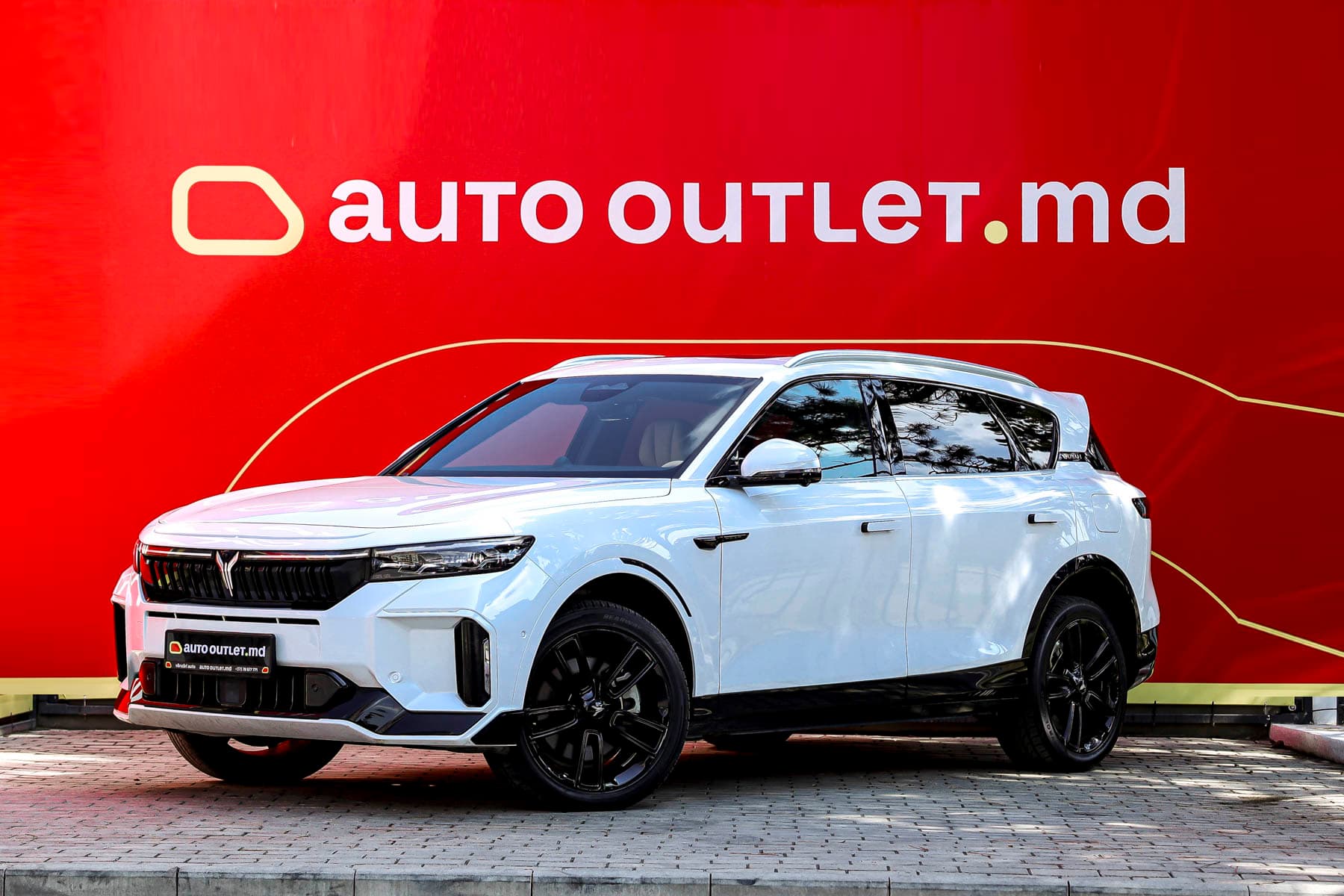 Voyah Free2023 · 40,000 km · EREV · 4x4€27,190In stock
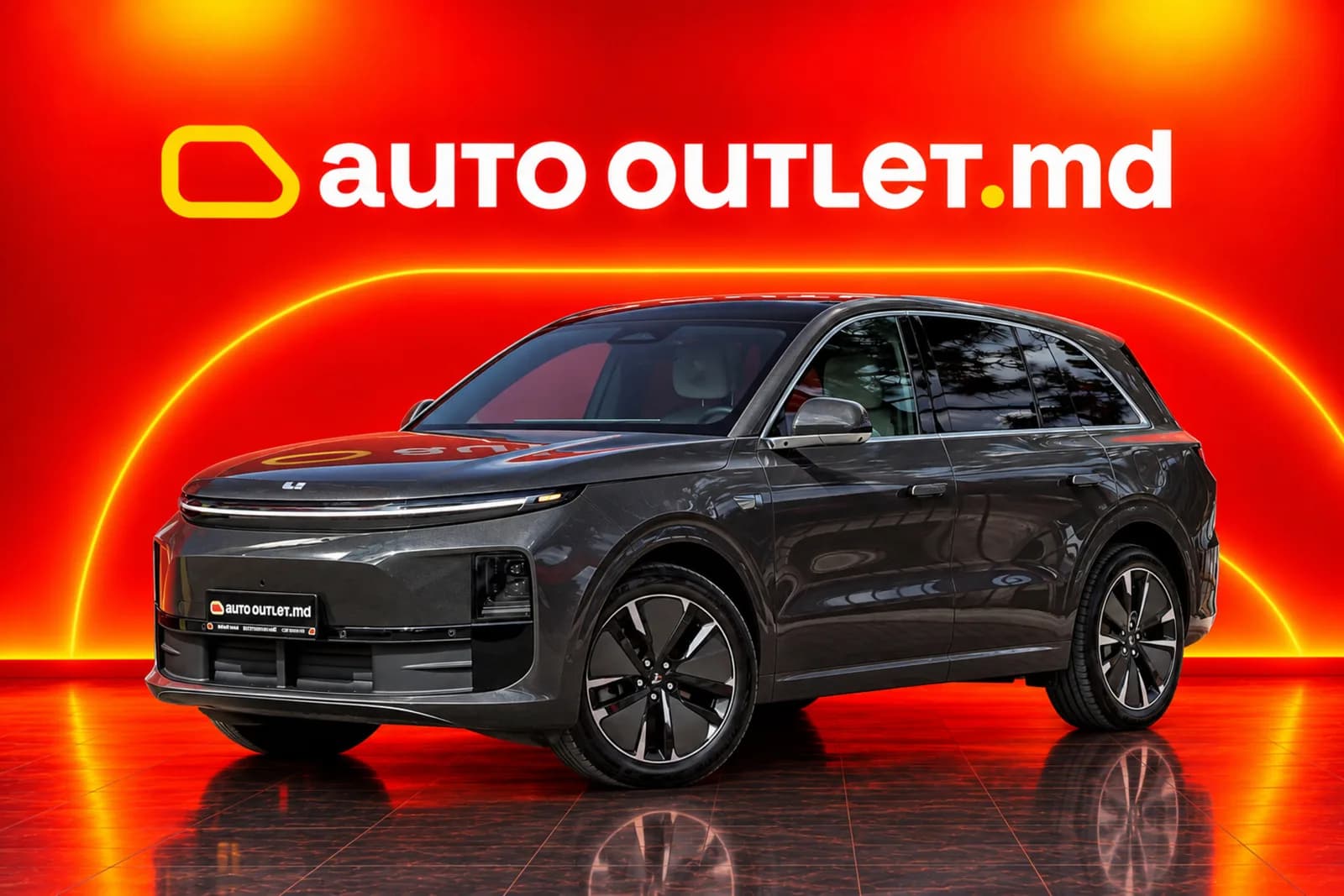 LiXiang L62024 · 32,000 km · EREV · 4x4€32,990In stock
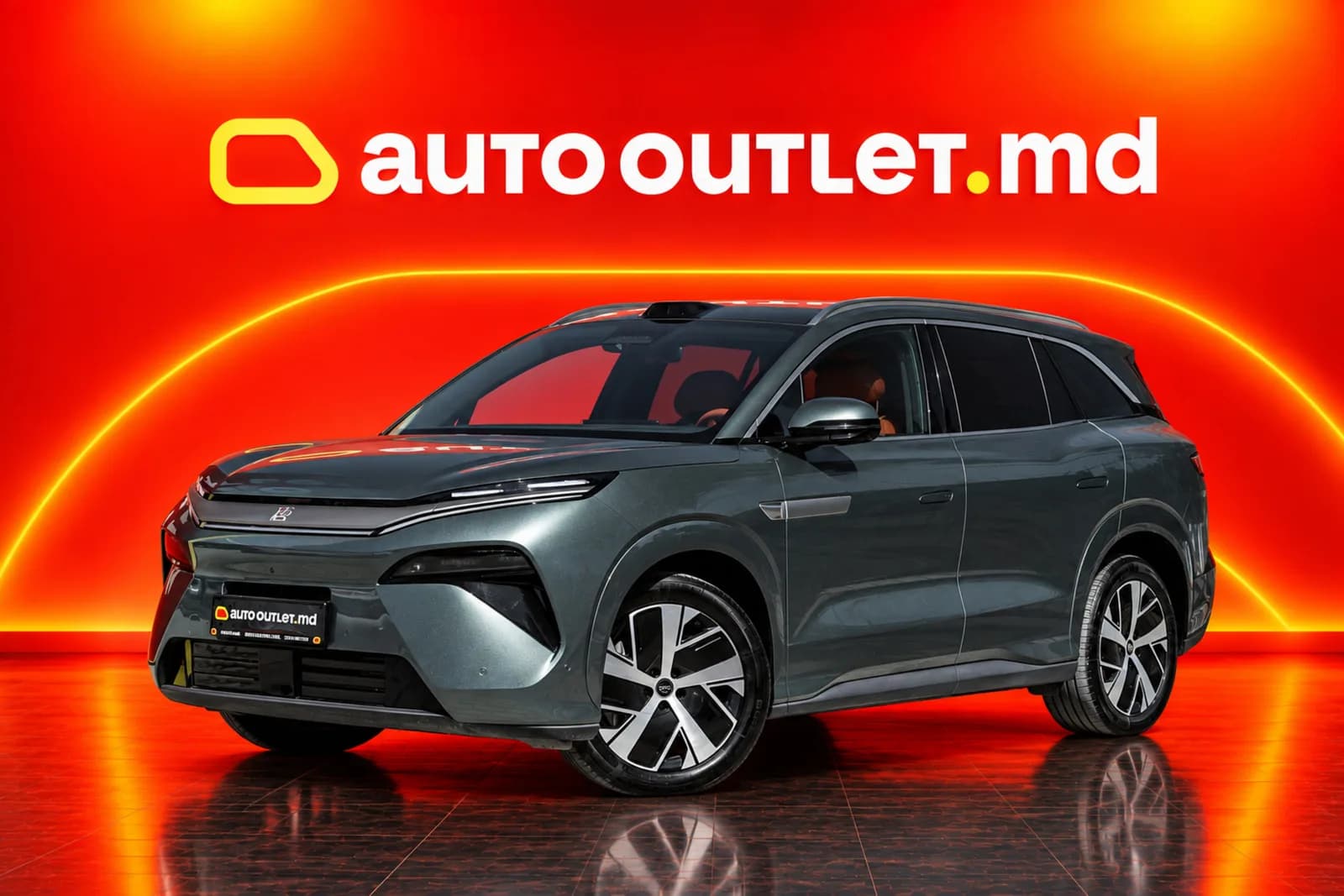 BYD Tang L2025 · 4,000 km · Plug-in hybrid · 4x4€36,490In stock
 LiXiang L72025 · 16,000 km · EREV · 4x4€45,490In stock
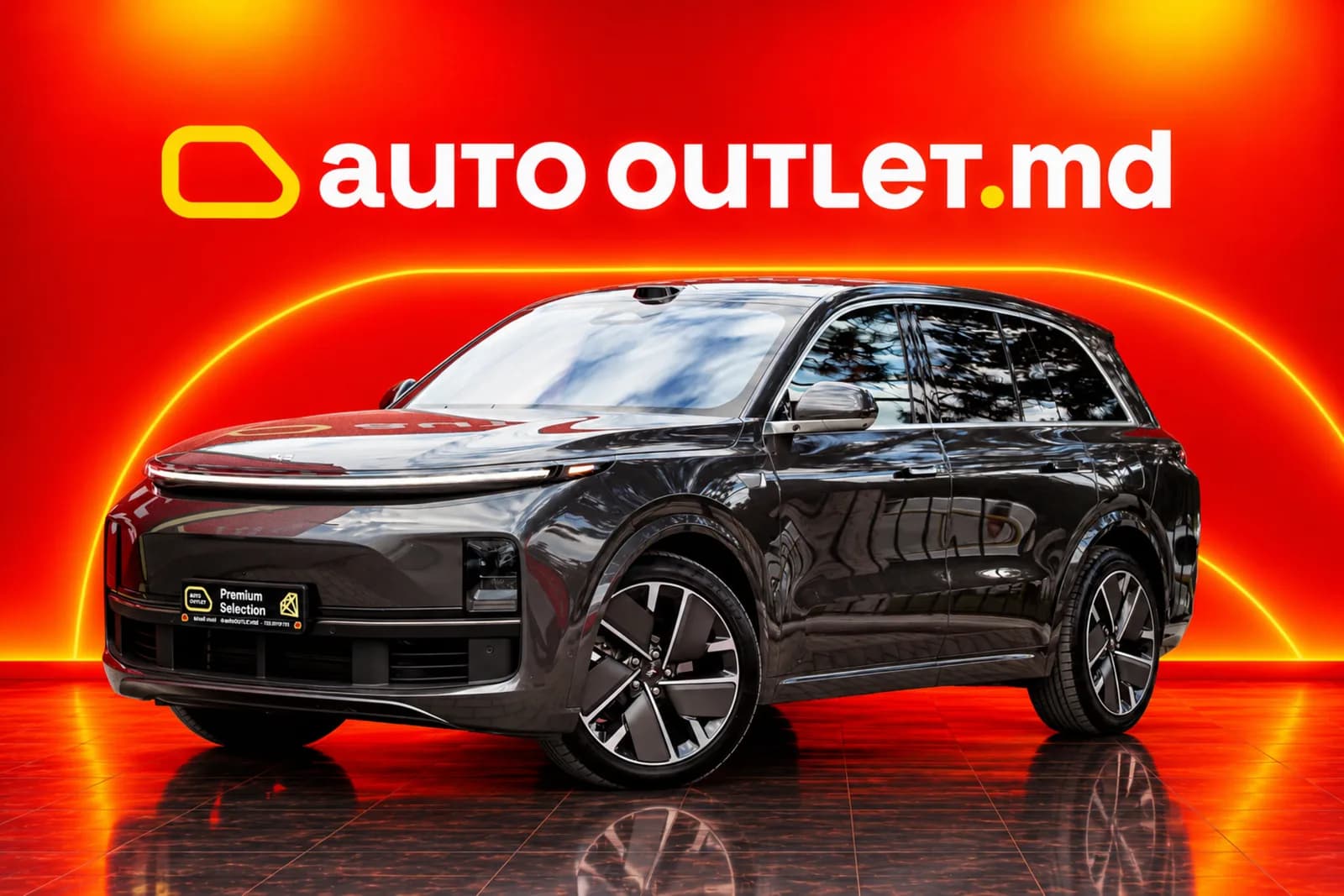 LiXiang L82025 · 15,000 km · EREV · 4x4€49,490In stock
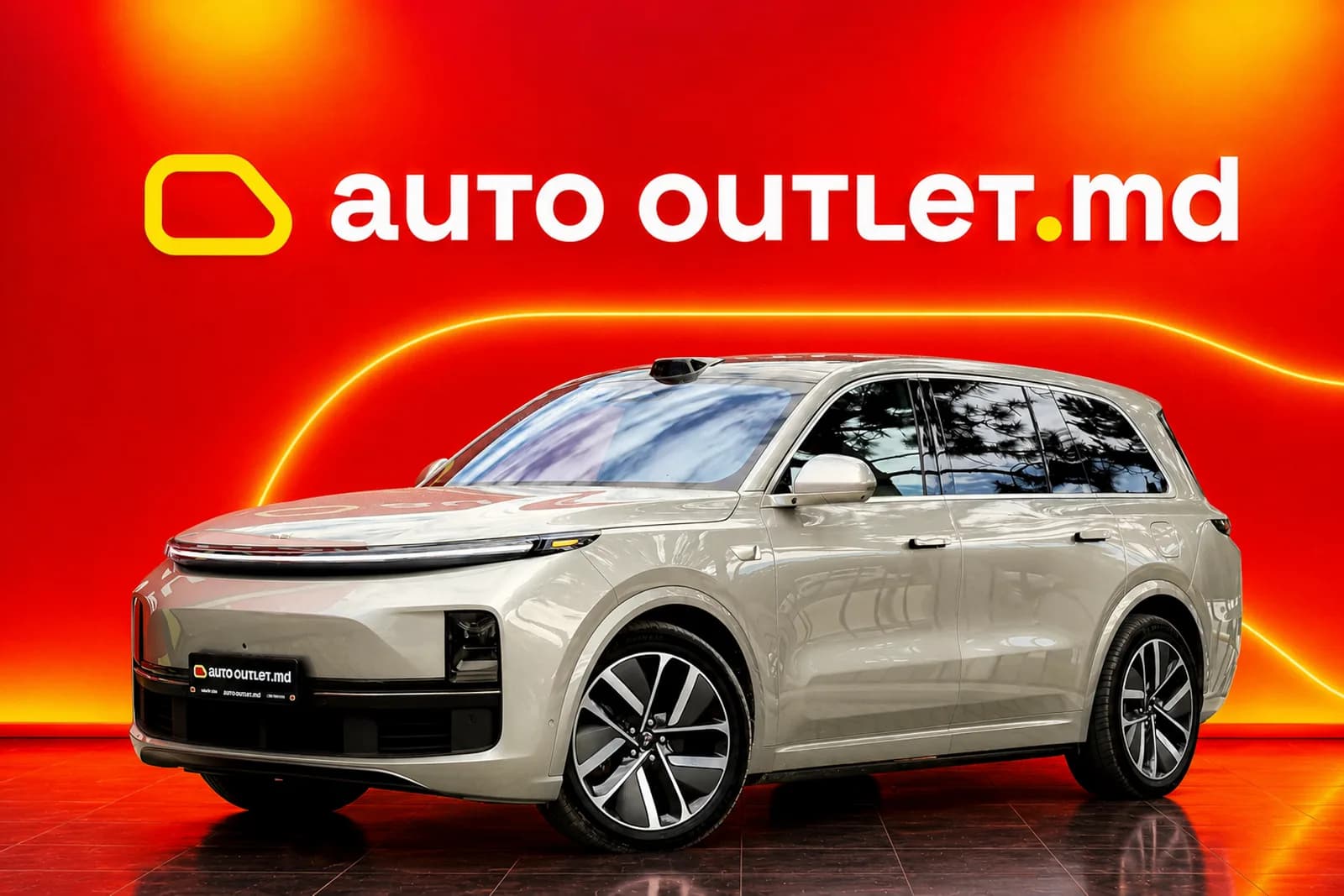 LiXiang L92024 · 27,000 km · EREV · 4x4€54,990In stock
Stock changes daily. As of October 5, 2026.
FAQ
How much range does an electric car lose in a Moldovan winter?
Is a heat pump a must for our winters?
Does a plug-in hybrid use more fuel in winter?
Is an LFP battery a problem in winter?
Sources
See the sources (20)
- Moldova 1: De la −35,5 °C la 18,4 °C: ianuarie, luna contrastelor climatice (5 ian. 2026), date Serviciul Hidrometeorologic de Stat: January norm: −2 °C in the south, −4 °C in the north; on average 5–11 days below −10 °C and 1–5 days below −15 °C; absolute low −35.5 °C (Brătușeni, 1963).
- Moldpres: Prognoza meteo pentru ianuarie 2026 (5 ian. 2026): State Hydrometeorological Service: average January temperature between −2 and −4 °C, within the norm.
- Wikipedia: Chișinău, tabelul climatic (Pogoda.ru.net și NOAA, 1991–2020): January: average −1.8 °C, average low −4.2 °C; December −2.5 °C and February −3.0 °C (average lows); record −28.4 °C.
- Serviciul Hidrometeorologic de Stat: caracterizarea vremii în anul precedent: Example of variation: the 2021–22 winter was 3.0–3.9 °C warmer than the norm.
- Recurrent: Winter EV range loss study (19 nov. 2025): Over 30,000 cars; 78% of range at 0 °C, about 70% at −7 °C; between 69% and 88%; heat pump about 10% more efficient at 0 °C, advantage shrinks toward −18 °C; preconditioning while plugged in.
- Recurrent: Why We're Excited about LFP Batteries for Electric Cars: Model 3 LFP loses a few percent more in winter than the nickel-based versions.
- fueleconomy.gov (Departamentul Energiei al SUA): Fuel Economy in Cold Weather: At −7 °C: EV range 41% lower, two thirds of the extra energy goes to heating, only about 12% without heating; hybrids use about 30–34% more; tips: preheating while plugged in, heated seats, garage, tire pressure.
- ADAC: Stresstest E-Autos im Winter (2026): 0 °C in a climate chamber, 582 km, cold start without battery preheating; all the competitive cars had a heat pump; BYD Sealion 7: 35.3 kWh/100 km, under 300 km.
- ADAC presă: Winter-Reichweitentest familientauglicher E-Autos (22.01.2026): Average consumption 57% above WLTP; Tesla Model Y +40%, Hyundai Ioniq 5 +69%; BYD Sealion 7 Excellence AWD the weakest.
- NAF: Sprengkulde gav rekordavvik (El Prix vinter 2026): Between −7 °C and −32 °C; average shortfall of 38% vs. WLTP, compared with 18% in 2025 (between −6 °C and +8 °C).
- NAF: Disse bilene er med i El Prix vinteren 2026: Results by model: WLTP, km driven and shortfall for all 24 cars.
- auto.pub: Norway's El Prix winter test exposes EV hierarchy: Full table of the 24 cars, used for cross-checking.
- What Car?: New Zeekr 7X to arrive as Tesla Model Y rival: Zeekr 7X: heat pump as standard equipment (European version).
- CarNewsChina Data: Li Auto L9 2026, specificații: Heat pump on all trims, 6 seats 2+2+2, 72.7 kWh NMC battery.
- BYD UK: SEALION 7 pricing and specifications: Heat pump standard across the whole Sealion 7 lineup.
- EVKX: Xiaomi YU7 Max, specificații: Heat pump (secondary source).
- CATL: Shenxing superfast charging battery: LFP: 80% in 10 minutes at room temperature, 30 minutes at −10 °C.
- BYD ATTO 3 Owner's Handbook (2022): In the cold, power and charging speed drop; recommends parking in warmer spaces.
- CnEVPost: Zeekr to update 7X SUV in Q4 2026: Zeekr 7X: 75 kWh Golden Battery (LFP) or 103 kWh CATL Qilin.
- CnEVPost: Leapmotor launches C16: C16 EREV and BEV with LFP batteries.
Update history
- 23.09.2026: first version, with data checked against public sources.