
Diagram · where the energy comes from and what drives the wheels
The four powertrain types at a glance
It doesn't charge from a plug. The gasoline engine does most of the work, and the small battery helps when pulling away and accelerating.
It charges from a plug and drives on electricity for tens of kilometers. The gasoline engine produces electricity and, at high speed, can drive the wheels directly.
It charges from a plug and always drives on electricity. The gasoline engine never touches the wheels: it only produces electricity when the battery runs low.
Only a battery and an electric motor. It charges only from a plug or at a station. No oil, filters or conventional gearbox.
The four types side by side
| HEV | PHEV | EREV | BEV | |
|---|---|---|---|---|
| Charges from a plug | No | Yes | Yes | Yes, only that way |
| What drives the wheels | Gasoline and electric, together | Electric, with gasoline at high speeds | Electric only | Electric only |
| Role of the gasoline engine | Main | Helper and generator | Generator only | None |
| Electric-only range | 1–2 km | 50–200 km | 150–400 km | 350–700 km |
| Does it run without a plug? | Yes | Yes, with higher consumption | Yes, with higher consumption | No |
| Examples | Toyota Corolla Cross Hybrid | BYD Sealion 06 DM-i, BYD Song Pro DM-i | Li Auto L6, Voyah Free, Aito M9, Xiaomi SkyNomad | BYD Seal, Zeekr 001 |
Ranges are typical intervals for 2025–2026 Chinese models, based on the CLTC test cycle. In real conditions you get, on average, about two thirds of these values. Details in CLTC vs WLTP.
Electric-only range · typical intervals
How many kilometers you can drive before the gasoline engine starts
The ranges overlap: an EREV with a big battery can have more electric range than a small BEV. What matters is the distance you drive every day.
CLTC values from manufacturer spec sheets, 2025–2026 models
Chinese spec sheet vs. reality · Zeekr 7X
Of the 780 km promised on the CLTC sheet, how many you actually get
The first two figures are official, the last three are EV Database estimates for the Zeekr 7X Long Range RWD. On average you get about two thirds of the CLTC figure, and on the highway in winter about half. The ADAC winter test from January 2026 confirms the order of magnitude.
Sources: Zeekr, EV Database, ADAC · details in CLTC vs WLTP
BEV: the pure electric
It has a big battery, one or two electric motors and nothing that burns fuel. It charges only from a plug, a wallbox at home or fast-charging stations. It is the simplest car mechanically: no oil, no filters, no conventional gearbox.
It's worth it if you have somewhere to charge overnight, meaning a garage, a house or a parking spot with a plug, and you rarely take long trips. In Moldova, the fast-charging network is growing, but it is still sparse outside Chisinau and the main highways.
PHEV: the plug-in hybrid
It has a mid-size battery, enough for your daily trips around town, and a gasoline engine. As long as there is charge, you drive on electricity. When it runs out, the car automatically switches to hybrid mode.
In modern Chinese cars, the PHEV works differently from older European ones. At BYD (the DM-i system) or Geely, the gasoline engine acts as a generator most of the time. It connects directly to the wheels only at constant speed on the highway, where that is more efficient.
EREV: the electric car with an onboard generator
It resembles a PHEV, but with one fundamental difference: the gasoline engine is not connected to the wheels at all. It works only as a generator that charges the battery. Behind the wheel it always feels like an electric car, quiet and with smooth acceleration.
The battery is usually bigger than in a PHEV, so you can drive 150–300 km a day on electricity alone. Li Auto made EREV its specialty, and in 2025–2026 more and more manufacturers switched to it, including Aito (Huawei) and Leapmotor. On September 7, 2026, Xiaomi launched the SkyNomad series (N70 and N90), also with a range extender.
HEV: the classic hybrid, no plug
This is the type made famous by the Toyota Prius. The battery is small and charges only while driving, when braking. You never plug it in. It uses less fuel than a gasoline-only car, but it cannot drive on electricity for more than a kilometer or two.
How to decide quickly
- You have a plug at home and short trips: BEV or EREV.
- You have a plug at home but often take long trips: EREV or PHEV.
- You live in an apartment block, no plug: PHEV. See the guide I live in an apartment block: plug-in hybrid or electric?
- You don't want to think about charging at all: HEV.
Examples from our offer: PHEVs, EREVs and EVs
Two cars of each type explained above, from stock or, where we have none in stock, to order. Prices are final in Moldova: shipping, customs and registration included.
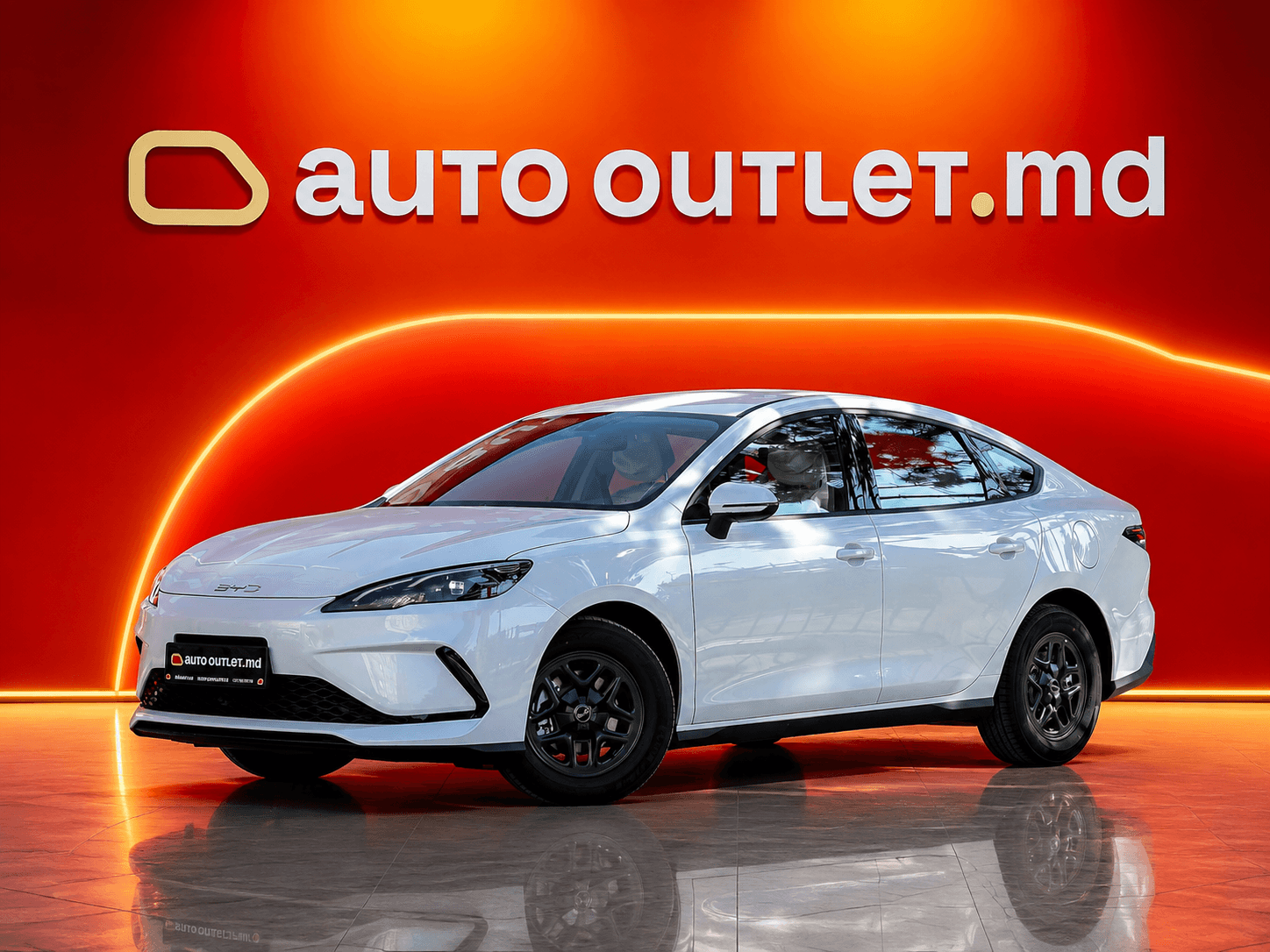 BYD Seal 052025 · new · Plug-in hybrid€14,490In stock
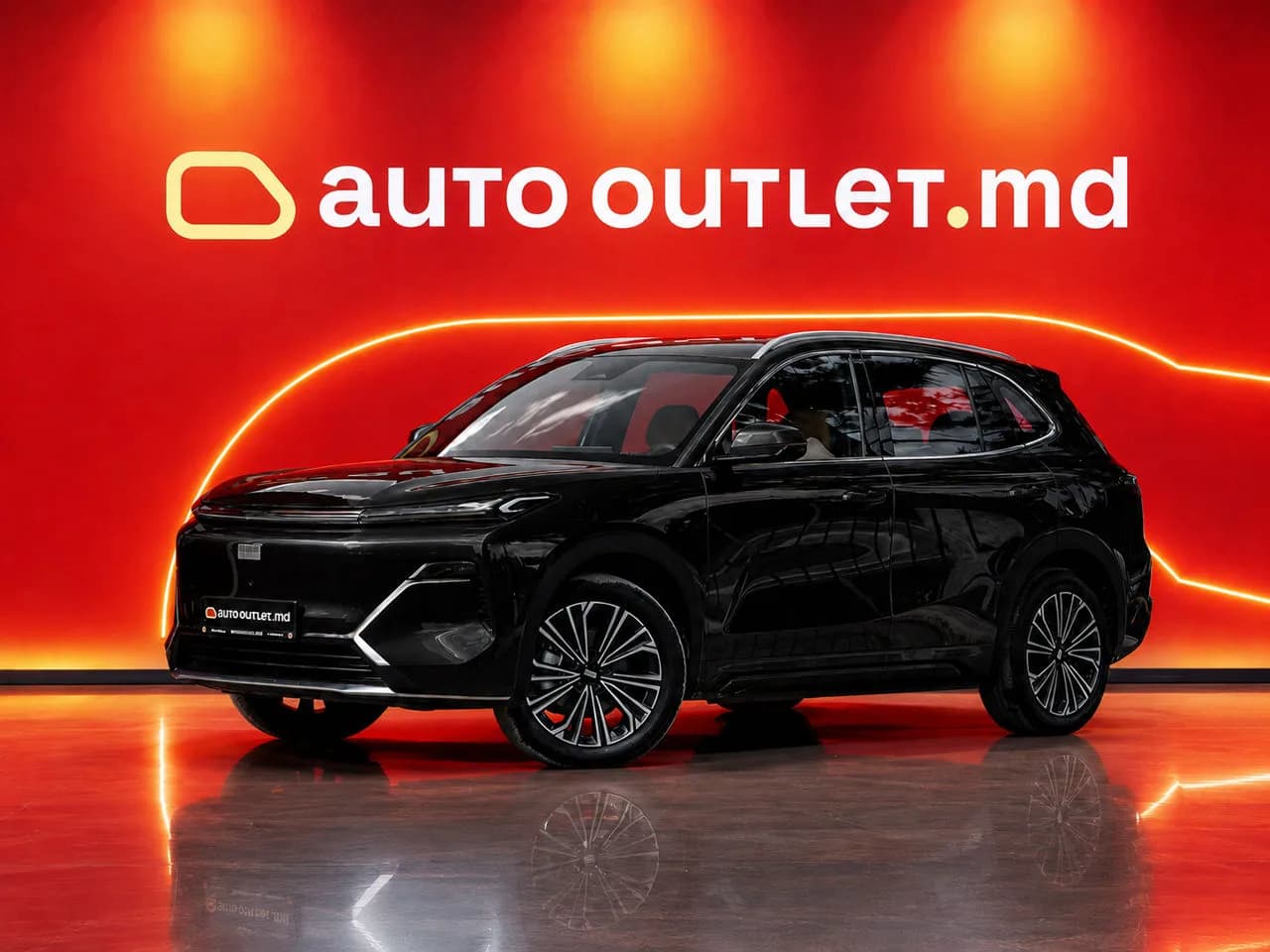 Geely Galaxy Starship 72024 · 29,000 km · Plug-in hybrid€18,990In stock
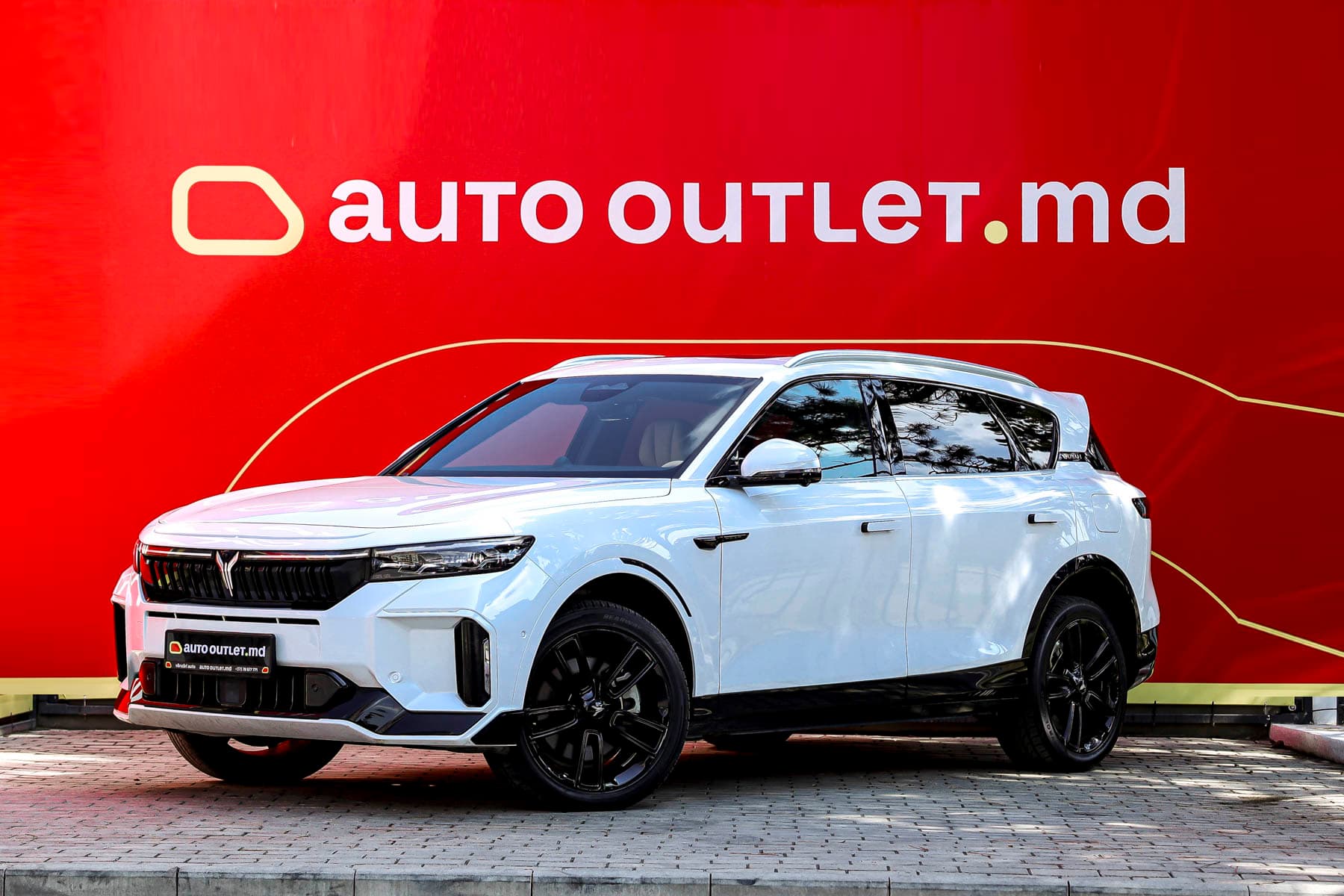 Voyah Free2023 · 40,000 km · EREV · 4x4€27,190In stock
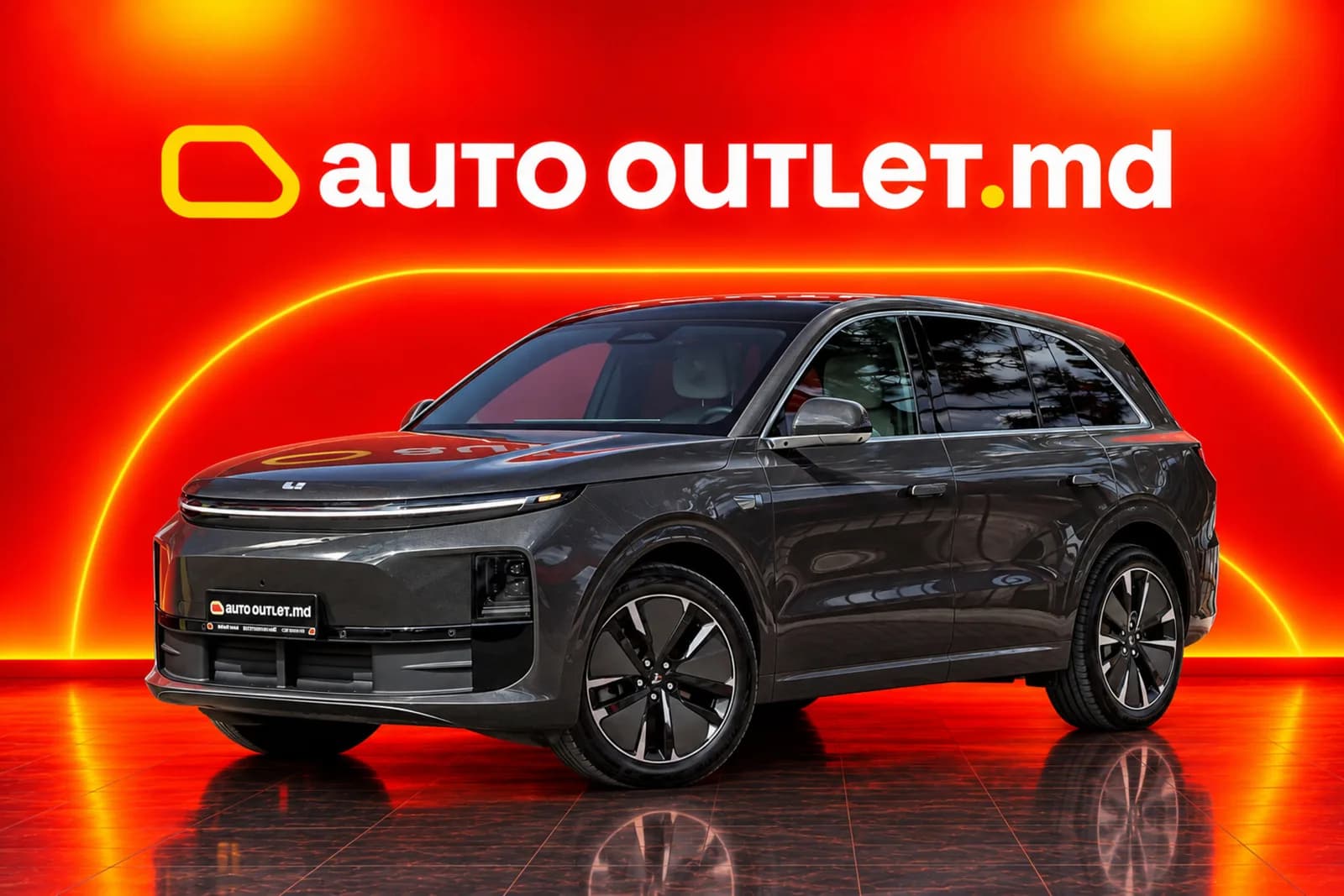 LiXiang L62024 · 32,000 km · EREV · 4x4€32,990In stock
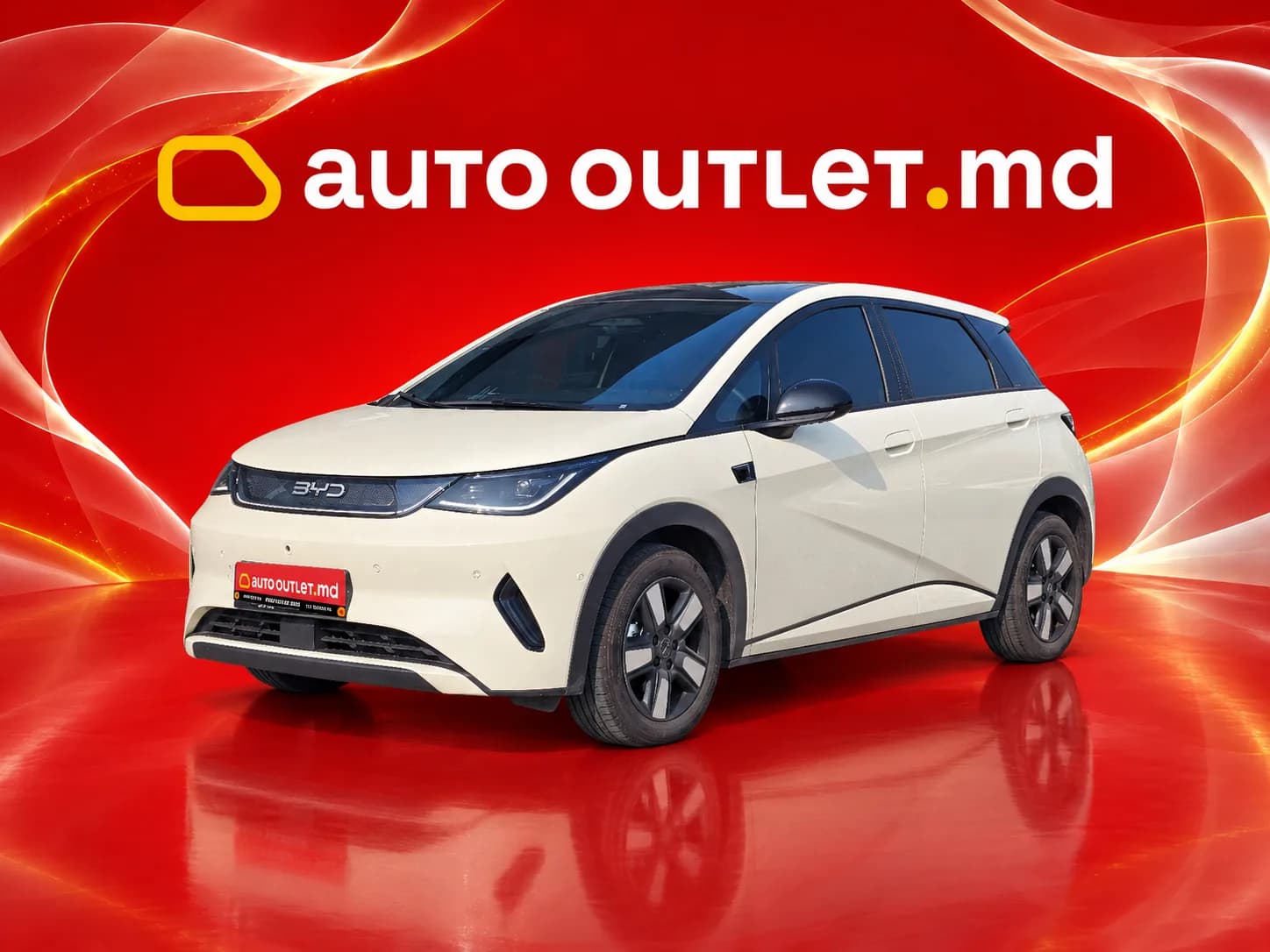 BYD Dolphin2025 · 4,600 km · Electric€17,700To order
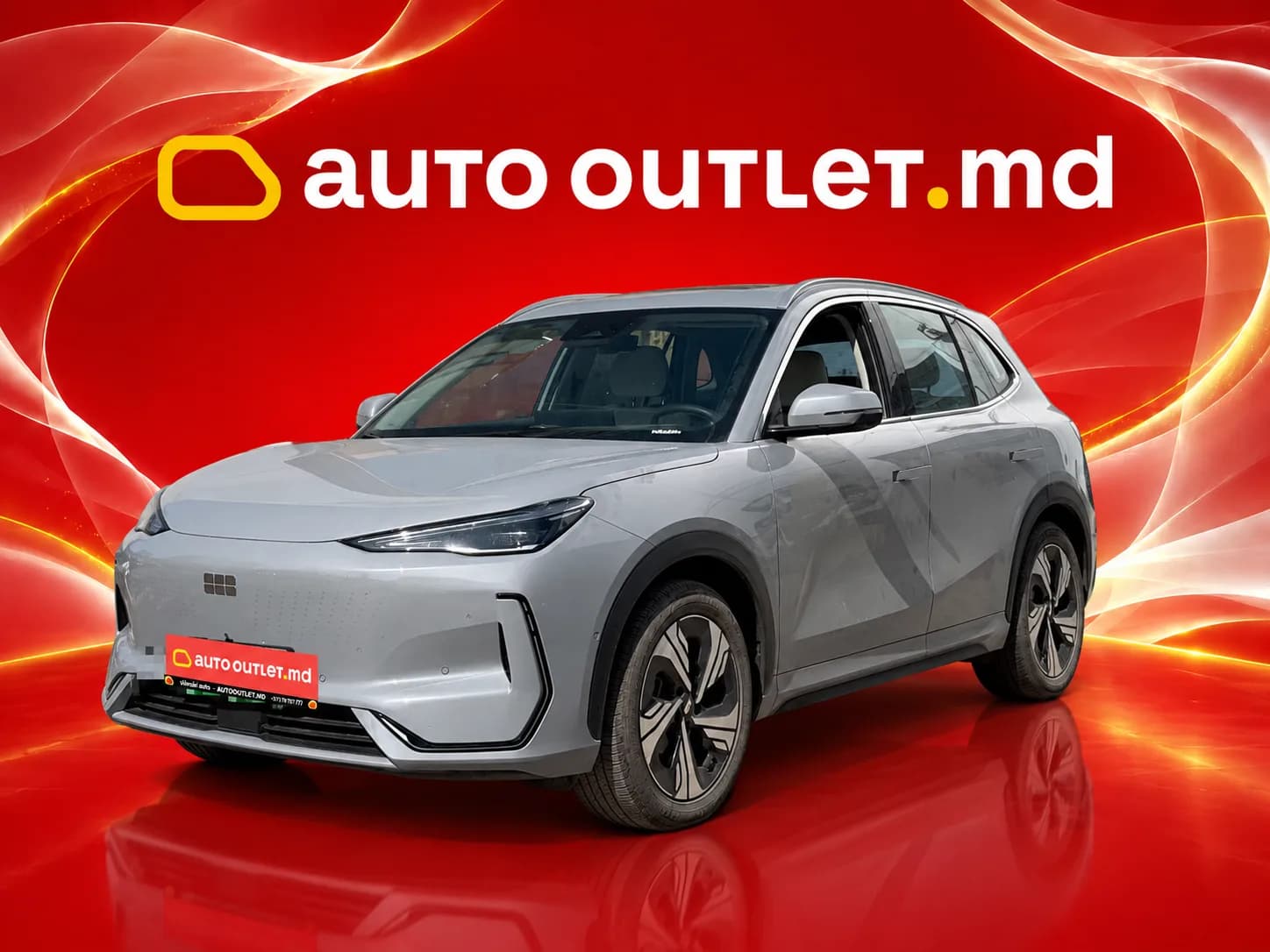 Geely Galaxy E52024 · 6,000 km · Electric€18,000To order
Stock changes daily. As of October 5, 2026.
Frequently asked questions
What is the difference between PHEV and EREV?
Can I drive a plug-in hybrid without charging it?
What does DM-i mean?
Update history
- 23.09.2026: added the diagram of the four powertrain types.
- 23.09.2026: Xiaomi SkyNomad (launched on 7.09.2026) added to the EREV examples.
- 23.09.2026: the “CLTC vs. reality” chart rebuilt with sourced data (EV Database, ADAC); the previous estimate was too optimistic.
- 22.09.2026: Voyah Free moved to EREV; Xiaomi Sky Nomad removed from the examples (not yet on the market).