
What LFP and NMC mean
Both are lithium-ion batteries. What differs is the material the positive electrode (the cathode) is made of. In LFP it is iron phosphate. In NMC it is a mix of nickel, manganese, and cobalt. These three metals are also where the name “ternary battery” comes from, which you often see in the spec sheets of Chinese cars.
The cathode material drives all the differences that matter to you: how much energy fits in the battery, what it costs, how long it lasts, how it behaves in the cold, and how it should be charged.
There is no “good” chemistry and no “bad” one. Many manufacturers put LFP in the base versions and NMC in the long-range ones. Zeekr and Xiaomi, for example, do this.
LFP and NMC side by side
The figures below come from the International Energy Agency (IEA), BloombergNEF, and lab studies. They are market averages or maximums. For a specific car they may differ.
| LFP (lithium iron phosphate) | NMC (ternary) | |
|---|---|---|
| Energy per kilogram of cell, latest generation | up to 205 Wh/kg | up to 265 Wh/kg |
| Complete pack, compared with NMC | about one-fifth heavier and one-third bulkier for the same energy | the reference |
| Average battery pack price, 2025 | $81/kWh | $128/kWh |
| Temperature at which the cell starts self-heating (lab test) | about 152–168 °C | about 96 °C (NMC-811) |
| Cycle life | longer; in lab tests it lasted substantially longer | shorter under the same conditions |
| In the cold | loses more range and charges more slowly if not warmed up | suffers too, but somewhat less |
| Recommended daily charging | up to 100%, plus a full charge at least once a week | below 100%; 100% only before a long trip |
| Where you often find it | all BYD models, base versions of Zeekr and Xiaomi, Avatr 07, Leapmotor C16 | long-range versions of Zeekr 001, Zeekr 007, Xiaomi SU7 Max and YU7 Max; Li Auto L7–L9 |
Chart · energy per kilogram of cell
How much energy fits into one kilogram of cell, latest generation (Wh/kg)
Maximum values at cell level. The complete pack weighs more, so pack-level figures are lower.
Source: IEA, Global EV Outlook 2026, chapter Electric vehicle batteries
Safety: why LFP is harder to ignite
The real danger with a battery is “thermal runaway”: a cell heats itself up more and more, until it catches fire. A 2025 study (Schöberl and colleagues, Journal of Power Sources) measured when self-heating begins. For NMC-811 cells, at around 96 °C. For LFP cells, only between 152 and 168 °C. The authors found LFP to be the most stable chemistry tested and noted that it releases less heat.
BYD also shows a nail penetration test: the Blade battery (LFP) gave off no smoke or flames, and its surface reached only 30–60 °C. This test was carried out and published by the manufacturer.
This does not mean a car with NMC is dangerous. The pack has cooling, protections, and a system that monitors every cell. In addition, the new Chinese standard GB 38031-2025, mandatory from July 1, 2026 for new type approvals, requires that the battery not catch fire or explode even after thermal runaway in one cell.
Winter: where LFP is weaker
In the cold, every battery gives less range. Recurrent data, collected from tens of thousands of electric cars, shows that at 0 °C cars keep on average 78% of their summer range.
LFP suffers more than NMC. The IEA notes that sodium batteries work much better at low temperatures than lithium-ion ones, “especially LFP.” Recurrent observes that the Tesla Model 3 with LFP loses a few percentage points more range in winter than the versions with a nickel-based battery, even with the battery preheated.
You notice it most during fast charging. CATL says its Shenxing LFP battery reaches 80% in 10 minutes at room temperature, but takes 30 minutes at −10 °C. The BYD manual says that in the cold the battery's power drops and charging takes longer. It also says: if you charge a full battery in the cold, the displayed percentage may jump quickly to 100%.
New LFP batteries are closing the gap. Geely says the Aegis battery keeps 90.54% of its capacity at −30 °C, and BYD says the new second-generation Blade charges from 20% to 97% at −30 °C in only 3 minutes longer than at room temperature. Both are manufacturer figures that we have not yet seen confirmed by independent tests.
- For Moldovan winters: if you can, park in a garage or an underground parking lot. The BYD manual explicitly recommends this.
- Before a fast charge in the cold, set the station in the navigation system so the car warms up its battery on the way. This shortens charging a lot, especially with LFP.
How to charge each type correctly
With LFP, the rule is the opposite of what you have heard about phones. Tesla recommends keeping the charge limit at 100% on LFP cars, even daily, and fully charging the car at least once a week. The BYD manual asks for the same thing: a full charge at least once a week and, every 3–6 months, a full charge starting from below 10%.
The reason is calibration. The voltage of an LFP cell changes very little over most of the charge. That is why the battery computer has a hard time estimating the real percentage. The BYD manual says the displayed percentage may be wrong after a long break and recommends a full charge. Charging to 100% recalibrates it.
With NMC, manufacturers say the opposite: do not keep the battery at 100%. Polestar writes in its manual that wear decreases if you choose a limit below 100% and that 100% is only worth it when you need the full range for your next trip. Many drivers choose a daily limit of 80–90%, but follow what your car's manual says.
For both: if you leave the car parked for a longer time, BYD recommends a battery level between 40% and 60% for breaks longer than 7 days, and Polestar also 40–60% for breaks longer than a month.
Who uses what: the market and the models in our catalog
LFP has gained ground quickly. According to the IEA, in 2025 over 55% of the batteries installed in electric cars worldwide were LFP, up from almost 50% in 2024. In China, CABIA data shows 82.3% LFP in the first eight months of 2026 and a record 85.6% in August. Outside China, NMC still dominates: in the EU, LFP had just over 10% of demand in 2025.
The main reason is price. BloombergNEF calculated an average 2025 price of $81/kWh for LFP packs, compared with $128/kWh for NMC. The difference shows up in the price of the car.
Brand names can confuse you. Blade (BYD) and Shenxing (CATL) are LFP batteries. Golden Battery (Zeekr) and Aegis (Geely) are also LFP. Qilin (CATL) is a way of building the pack, available with both NMC and LFP. On the Zeekr 001 and Zeekr 007, Qilin is the NMC version.
What comes next. Sodium batteries (sodium-ion) are cheaper in terms of materials and work better in the cold, but hold less energy: up to 175 Wh/kg, according to the IEA. CATL is targeting full-scale series production of its Naxtra sodium battery for the end of 2026.
- BYD: all pure electric models have had the Blade battery (LFP) since 2021. DM-i hybrids, such as the Seal 06 DM-i, also have Blade LFP.
- Geely: the Galaxy E5 and Galaxy Starship 7 EM-i use the Aegis LFP battery.
- Zeekr 001: 95 kWh LFP (Golden) or 103 kWh NMC (Qilin). Zeekr 007: 75 kWh LFP (Golden) or 100 kWh NMC (Qilin). Zeekr 7X: 75 kWh Golden (LFP) or 103 kWh Qilin.
- Xiaomi YU7: Standard and Pro with 96.3 kWh LFP, Max with 101.7 kWh ternary (NMC). New SU7 (March 2026): Standard with 73 kWh LFP, Pro with 96.3 kWh LFP, Max with 101.7 kWh ternary (NMC).
- Li Auto: the L6 was the first Li Auto model with LFP and stayed on LFP with the 2025 update (36.8 kWh). The L7, L8, and L9 use NMC, for example the 52.3 kWh pack. From 2026, Li Auto is switching to its own cells, so on a new car check the chemistry in the spec sheet.
- The Avatr 07 has LFP on both the electric version (Shenxing, 82.16 kWh) and the EREV (39 kWh). The Leapmotor C16 EREV has a 28.4 kWh LFP battery.
How this helps you choose
- Ask which chemistry the exact version you are buying has. The same model may come with either. In spec sheets, LFP appears as “LFP” or “iron phosphate,” and NMC as “NMC,” “NCM,” or “ternary.”
- If you charge at home and drive city distances every day, LFP is the cheaper and simpler choice: you charge it to 100% without worry.
- If you often take long winter trips with fast charging along the way, the NMC version gives you more range and more predictable charging in the cold.
- With a plug-in hybrid or EREV, chemistry matters less: the battery is small, and in the cold the gasoline engine helps you.
- With an LFP car, check during the test drive whether it has battery preheating for fast charging and how you turn it on.
Examples from our catalog
- BYD Seal 06The DM-i version has a Blade LFP battery (10.08 or 15.87 kWh). Like all BYD models, it can be charged to 100% daily.
- Zeekr 007Same model, two chemistries: 75 kWh LFP (Golden Battery) or 100 kWh NMC (Qilin). Two-thirds of buyers in China chose LFP.
- Zeekr 00195 kWh LFP (710 km CLTC) or 103 kWh NMC Qilin (up to 810 km CLTC). The difference clearly shows what NMC brings: more energy.
- Xiaomi YU7Standard and Pro have a 96.3 kWh LFP battery, Max has a 101.7 kWh ternary (NMC) battery.
- Avatr 07Uses CATL's Shenxing LFP, the LFP battery designed for fast charging.
BYD in stock, with Blade LFP batteries
BYD uses the LFP-type Blade batteries discussed above. These are the BYD models we have in stock right now, with the final price in Moldova.
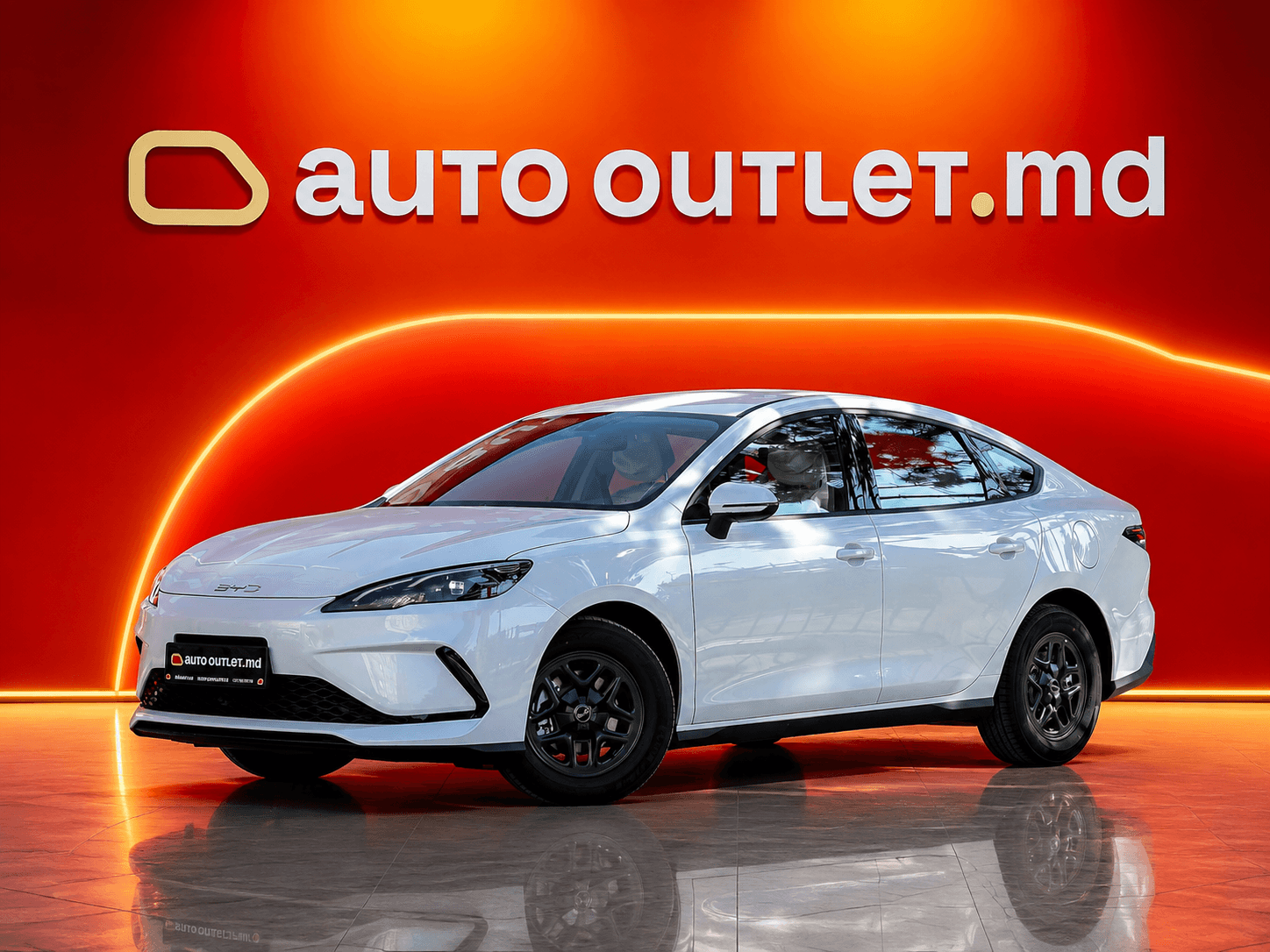 BYD Seal 052025 · new · Plug-in hybrid€14,490In stock
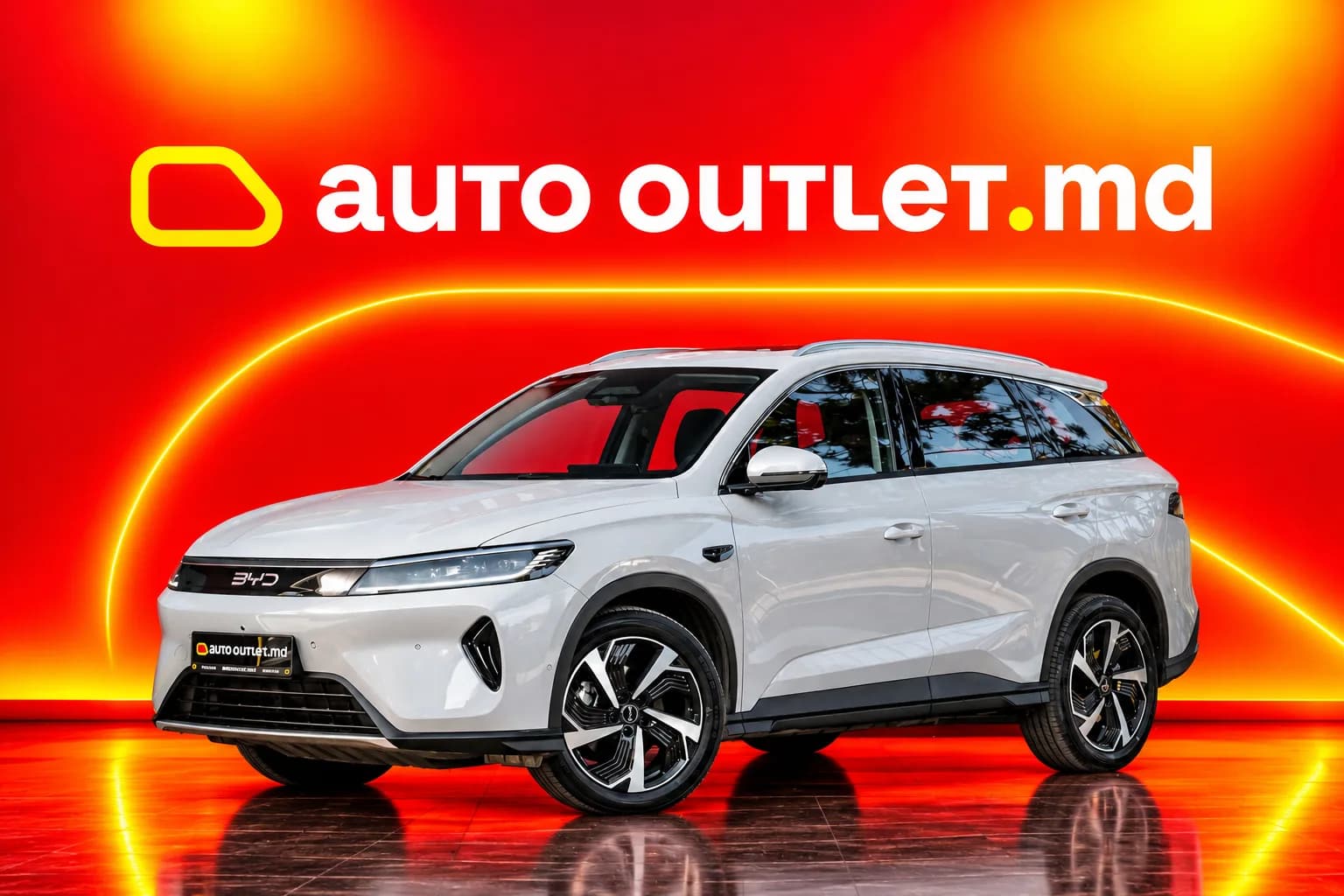 BYD Sealion 052025 · new · Plug-in hybrid€18,990In stock
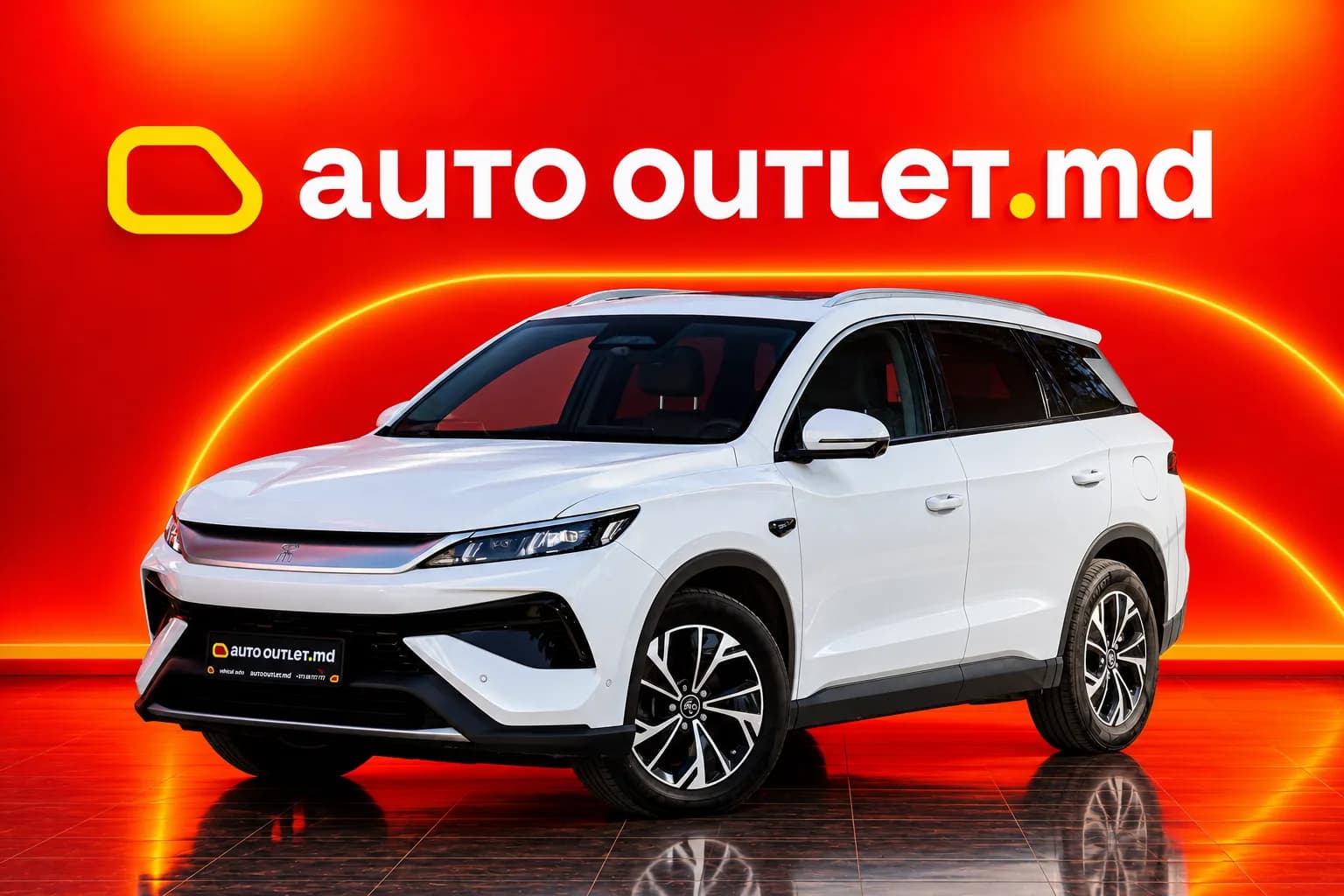 BYD Song Pro2025 · 2,800 km · Plug-in hybrid€20,190In stock
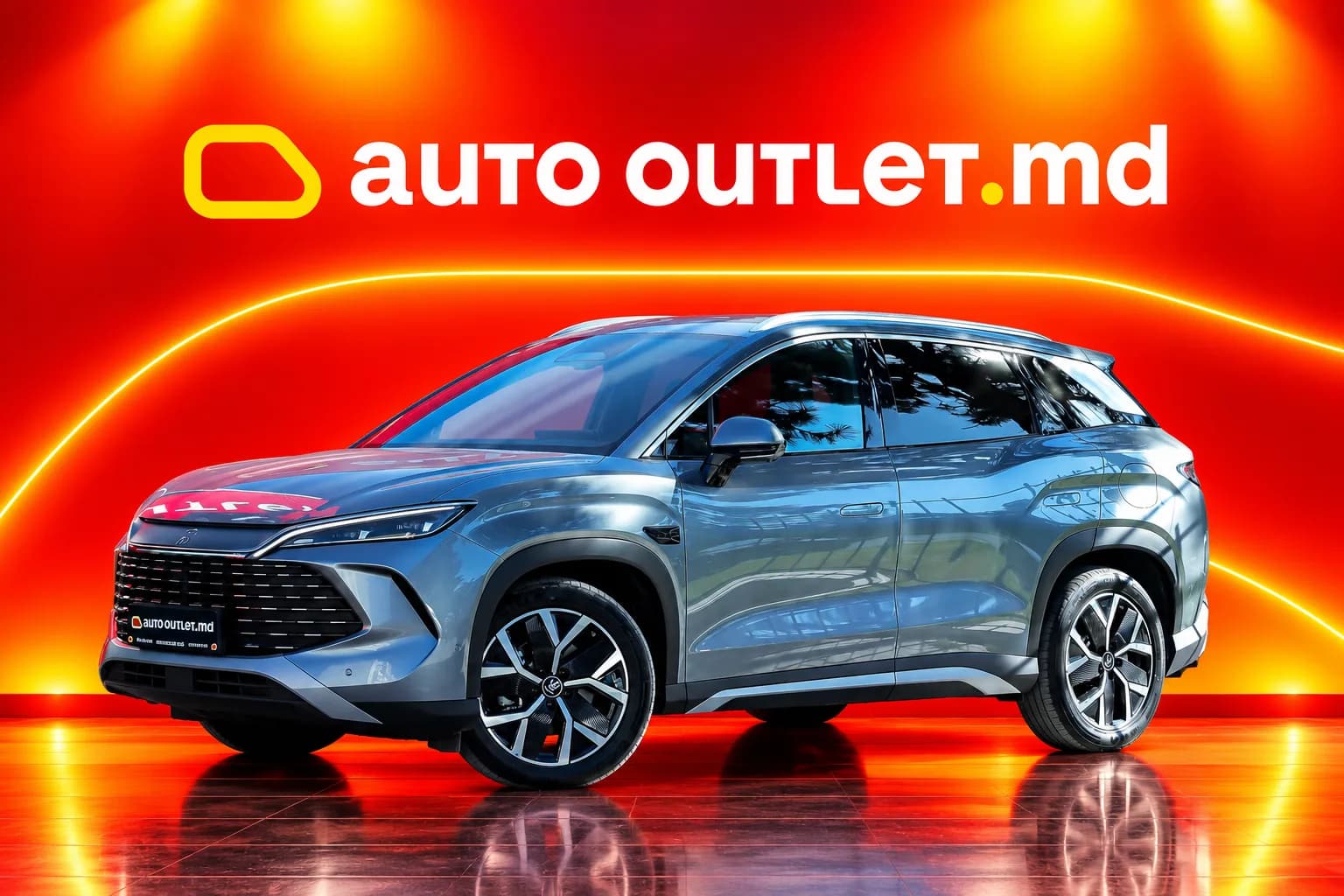 BYD Song L2025 · 13,000 km · Plug-in hybrid€23,490In stock
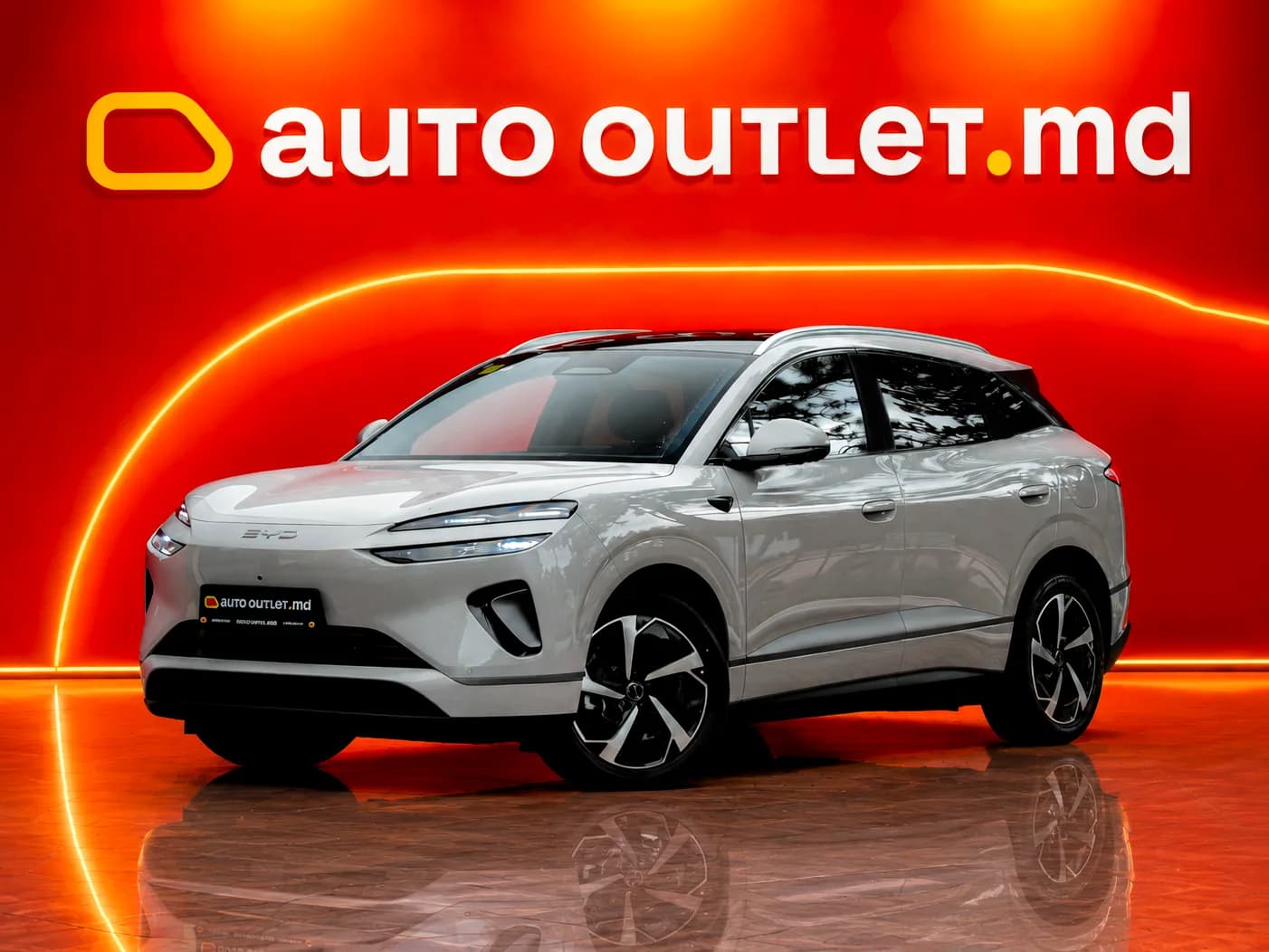 BYD Sealion 062025 · 20,000 km · Plug-in hybrid€23,990In stock
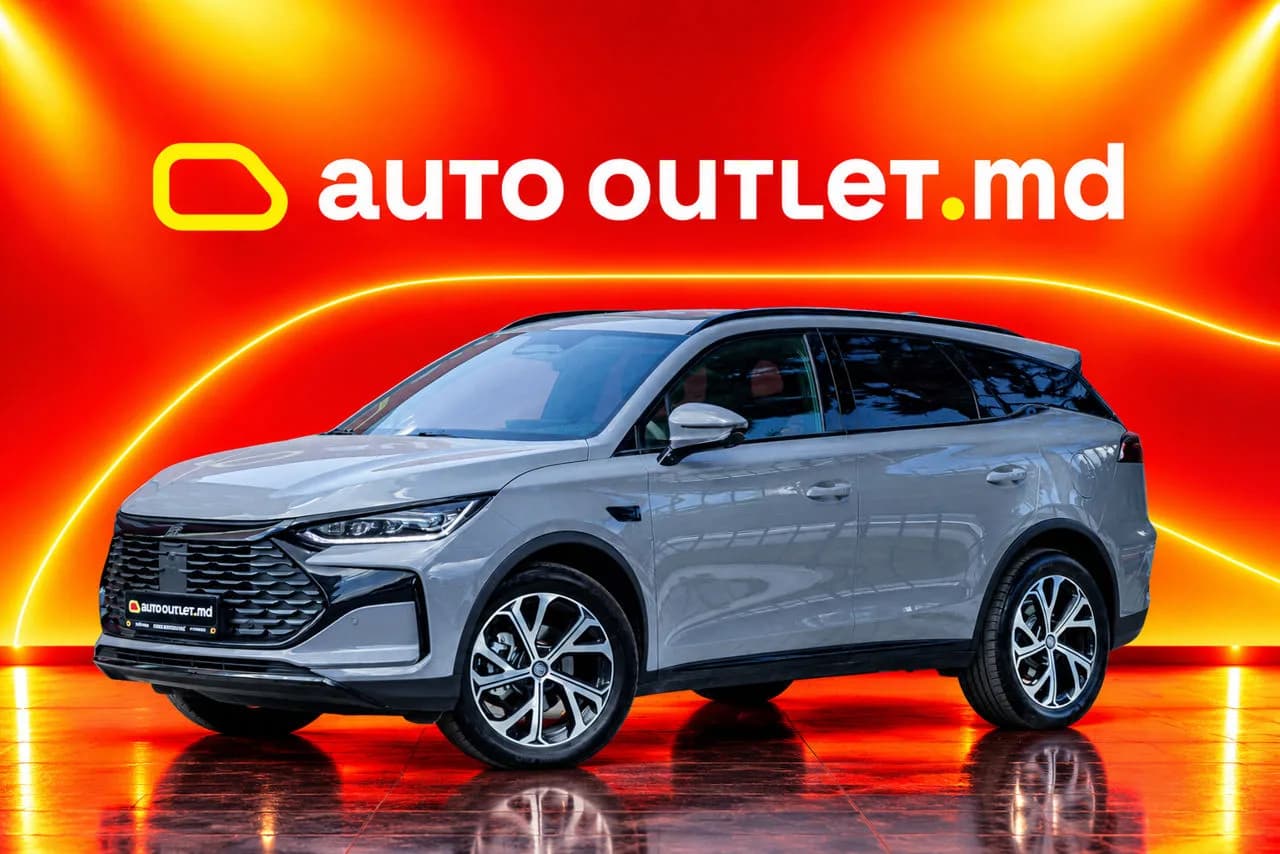 BYD Tang2025 · 1,000 km · Plug-in hybrid€26,990In stock
Stock changes daily. As of October 5, 2026.
FAQ
Which lasts longer, LFP or NMC?
Which is safer?
How do I charge it correctly?
How do they behave in winter?
Sources
See the sources (37)
- IEA, Global EV Outlook 2026: Electric vehicle batteries: LFP over 55% of EV batteries worldwide in 2025 (almost 50% in 2024); LFP just over 10% in the EU; LFP packs over 40% cheaper than NMC in 2025; latest-generation cells: sodium-ion up to 175 Wh/kg, LFP up to 205 Wh/kg, NMC 265 Wh/kg; sodium-ion much better in the cold than lithium-ion, especially LFP.
- IEA, Global EV Outlook 2025: Electric vehicle batteries: LFP packs have about one-fifth less energy per kg and one-third less per liter than NMC; LFP almost three-quarters of China's demand in 2024; LMFP included in the LFP category.
- BloombergNEF: Lithium-Ion Battery Pack Prices Fall to $108 Per Kilowatt-Hour (9 dec. 2025): Average 2025 price: LFP packs $81/kWh, NMC $128/kWh; overall average $108/kWh.
- CnEVPost: China's EV battery installations rise 26.3% in August (16 sep. 2026), date CABIA: LFP 85.6% of batteries installed in China in August 2026; 82.3% in January–August 2026; ternary 17.5% cumulative.
- Schöberl et al., Thermal runaway characterization of cylindrical lithium-ion and sodium-ion batteries, Journal of Power Sources 648 (2025) 237240: Self-heating starts at about 96 °C for NMC-811 and at 151.9–167.7 °C for LFP (18650 cells); LFP the most stable chemistry tested, releases less heat.
- Battery Design: Objective Safety Analysis of NMC vs LFP: Summary of NMC vs LFP thermal runaway temperatures, referencing Schöberl et al. 2025.
- BYD Europe: BYD's revolutionary Blade Battery: all you need to know: Blade uses LFP; in the nail test, no smoke or fire, surface at 30–60 °C (BYD data).
- BYD USA: BYD announces all its pure EVs will now come with Blade Batteries (7 apr. 2021): All BYD pure electric models have had the Blade battery since 2021.
- BYD: BYD unveils 2nd generation Blade Battery and FLASH charging (martie 2026): At −30 °C, charging from 20% to 97% takes only 3 minutes longer than at room temperature (BYD data).
- BYD ATTO 3 Owner's Handbook (2022), secțiunea despre bateria de tracțiune: Full charge at least once a week, and from below 10% every 3–6 months; the displayed percentage may be wrong after long breaks; in the cold, power and charging speed drop; park in warmer places; 40–60% for breaks longer than 7 days.
- Tesla Model Y Owner's Manual: Charging Instructions: For LFP batteries: charge limit at 100%, even daily, and a full charge at least once a week.
- InsideEVs: Tesla Recommends Charging Model 3 RWD's LFP Battery To 100%: Confirms Tesla's recommendation for LFP and the difference from nickel-based batteries.
- Polestar 3 Manual: Managing battery health and performance: Wear decreases with a limit below 100%; 100% only if the full range is needed; 40–60% for parking longer than a month.
- Recurrent: Why We're Excited about LFP Batteries for Electric Cars: Winter range loss on the Model 3 LFP a few percentage points higher than on NCA, even with preheating; LFP tolerates charging to 100% better.
- Recurrent: Winter EV range loss study: Electric cars keep on average 78% of their range at 0 °C (32 °F).
- CATL: Superfast charging battery Shenxing launch: First LFP battery with 4C charging: 80% in 10 minutes at room temperature, 0–80% in 30 minutes at −10 °C.
- CATL: Qilin CTP 3.0 launch: Qilin: 255 Wh/kg for ternary systems, 160 Wh/kg for LFP ones (available in both chemistries).
- electrive: CATL renews its battery line-up (22 apr. 2026): Naxtra sodium battery: full-scale series production targeted for the end of 2026.
- Preger et al., Degradation of Commercial Lithium-Ion Cells as a Function of Chemistry and Cycling Conditions, J. Electrochem. Soc. (2020): LFP cells had a substantially longer cycle life than NMC and NCA under the tested conditions (2,500–9,000 full equivalent cycles for LFP, compared with 200–2,500 for NMC).
- paultan.org: Geely Aegis short blade LFP battery: Aegis LFP: 192 Wh/kg, 3,500 cycles, 90.54% capacity at −30 °C (Geely data); debut on the Galaxy E5.
- paultan.org: Geely Galaxy Starship 7 EM-i PHEV system detailed: The Galaxy Starship 7 EM-i uses an Aegis LFP battery.
- China Government: China's new EV battery safety standard to take effect in July 2026: GB 38031-2025 takes effect on July 1, 2026.
- CarNewsChina: China mandates "No Fire, No Explosion" EV battery rule: The new standard requires that the battery not catch fire or explode after thermal runaway.
- CarNewsChina: 2025 Zeekr 007 debuts with 2nd generation Golden Battery: Zeekr 007: 75 kWh Golden Battery LFP or 100 kWh ternary Qilin; 66% of buyers choose the Golden Battery.
- CarNewsChina: Updated Zeekr 001 started presales (sep. 2025): Zeekr 001: 95 kWh LFP or 103 kWh NMC.
- CnEVPost: Zeekr launches updated 001 (11 oct. 2025): Zeekr 001: Golden Battery 95 kWh, 710 km CLTC; Qilin 103 kWh, up to 810 km CLTC.
- CnEVPost: Zeekr unveils LFP Golden Battery (dec. 2023): Zeekr's Golden Battery is LFP.
- CnEVPost: Zeekr to update 7X SUV in Q4 2026: Zeekr 7X: 75 kWh Golden Battery or 103 kWh CATL Qilin; an 85 kWh Golden version is coming.
- CnEVPost: Xiaomi launches YU7 SUV (26 iun. 2025): YU7 Standard and Pro: LFP 96.3 kWh; Max: ternary lithium 101.7 kWh.
- CarNewsChina: Xiaomi SU7 new-gen launched (19 mar. 2026): New SU7: Standard 73 kWh LFP, Pro 96.3 kWh LFP, Max 101.7 kWh ternary lithium.
- CarNewsChina: Li Auto L6 specs revealed (ian. 2024): The L6 is the first Li Auto with LFP; before it, Li Auto SUVs had only NMC.
- CarNewsChina: Li Auto launched enhanced L-series EREV crossovers in China (8 mai 2025): L6: 36.8 kWh LFP battery; L7 and L8 Max: 52.3 kWh ternary NMC pack.
- electrive: Li Auto replaces CATL cells with its own battery cells (12 sep. 2026): Li Auto is switching to its own cells; the L8, L6, and i8 already use them.
- electrive: BYD launches two sedans with new plug-in hybrid system (iun. 2024): Qin L DM-i and Seal 06 DM-i: 10.08 or 15.87 kWh Blade LFP battery.
- electrive: Sales start for the Avatr 07 in China (oct. 2024): Avatr 07 BEV: Shenxing LFP 82.16 kWh; EREV: LFP 39 kWh.
- CarNewsChina: Avatr 07 and Neta L became first EVs with CATL's Freevoy battery (oct. 2024): Avatr 07 EREV: 39.05 kWh Freevoy LFP battery (LFP chemistry, with sodium technology for the cold).
- CnEVPost: Leapmotor launches C16 (iun. 2024): C16 EREV: LFP 28.4 kWh; C16 BEV: LFP 67.7 kWh.
Update history
- 23.09.2026: first version, with data checked against public sources.