
Three questions that decide it
1. Where does the car sleep at night?
If your parking spot has an outlet you can use, or you can install a wallbox, charging is solved and an electric car becomes the cheapest to run. If you park in the courtyard of your building with no outlet, charging depends on public stations.
2. Can you charge at work or on the way?
Many customers charge at the office, in a shopping mall parking lot, or at a station near home. If that's your routine, an EV works in an apartment block too. If you'd have to go to a station specially, charging becomes a chore within a week.
3. How often do you leave Chișinău?
For regular trips to Bălți, Cahul, or Romania, a plug-in hybrid or an EREV spares you from worrying about charging stations along the way. For city-only driving, almost any modern electric car will last you a week on a single charge.
Three typical situations
Plug-in hybrid
You park in the courtyard and don't charge at work. You drive on gasoline with hybrid-level consumption and charge when you get the chance.
PHEV with a big battery, or EREV
You charge at the office, drive 40–100 km on electricity every day, and head off on long trips on the weekend without worry.
Pure electric
You have a parking spot with an outlet or a wallbox. You start every morning with a full battery, just like at home.
What 100 km costs at today's prices
The big cost difference isn't between electric and gasoline, but where you charge. At prices on September 23, 2026, 100 km on your home outlet costs about a quarter of what it costs in a conventional gasoline car. At a public fast charger, the cost climbs almost to the gasoline cost of a plug-in hybrid.
Moldova · September 23, 2026
What it costs to drive 100 km, depending on where your energy comes from
For an electrified SUV that uses 18 kWh per 100 km in electric mode. 100 km on your home outlet costs around €3, at a fast charger around €8.5, and in a conventional gasoline car around €12.7.
Calculation: consumption × price. Energy: ANRE rate for Premier Energy (3.56 lei/kWh, night 2.94); for FEE Nord, 3.95 lei/kWh. Public stations: the “from” rates shown by EV Point, with no update date. Gasoline 95: ANRE maximum price, 34.04 lei/l. BNM exchange rate: €1 = 20.14 lei.
Sources: ANRE, Premier Energy, EV Point, BNM · prices change; gasoline rose by 2.5 lei/l in September alone
| Option | Lei per 100 km | € per 100 km | Per month, at 1,500 km |
|---|---|---|---|
| Home outlet, night | 53 lei | €2.63 | 794 lei |
| Home outlet | 64 lei | €3.18 | 961 lei |
| Public AC station | 134 lei | €6.65 | 2,009 lei |
| DC fast charger | 171 lei | €8.47 | 2,560 lei |
| Plug-in hybrid on gasoline | 187 lei | €9.30 | 2,808 lei |
| Conventional gasoline car | 255 lei | €12.68 | 3,830 lei |
That's why, for anyone without their own outlet, a plug-in hybrid is often not just more convenient but also cheaper than an EV charged only at fast chargers.
Plug-in hybrid · average gasoline consumption
How much a plug-in hybrid uses, depending on how often you charge it
For a Chinese plug-in hybrid SUV driven ~40 km a day in the city. A rough estimate: real consumption depends on the model, the season, and your driving style.
Mistakes we see often
- A pure EV “because it's cheaper,” with no outlet. The savings come from charging at home. Without it, they disappear.
- A plug-in hybrid that never gets charged. It drives fine that way too, but you're buying a battery you don't use.
- Taking the range from the Chinese spec sheet at face value. CLTC figures are optimistic: on average you'll get about two-thirds of them, and in winter on the highway about half.
Suitable models in stock
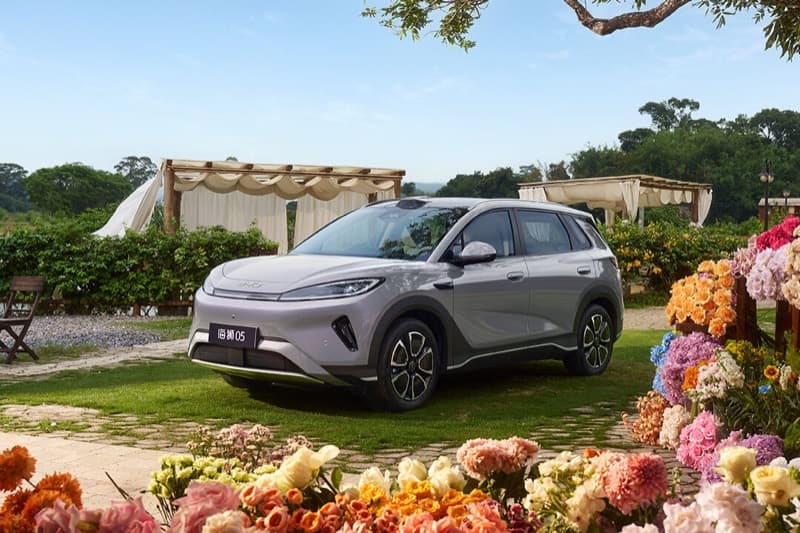
BYD Sealion 05 DM-i
Compact plug-in hybrid, ideal if you don't have your own outlet.

BYD Sealion 06 DM-i
Family plug-in hybrid SUV, our most requested.
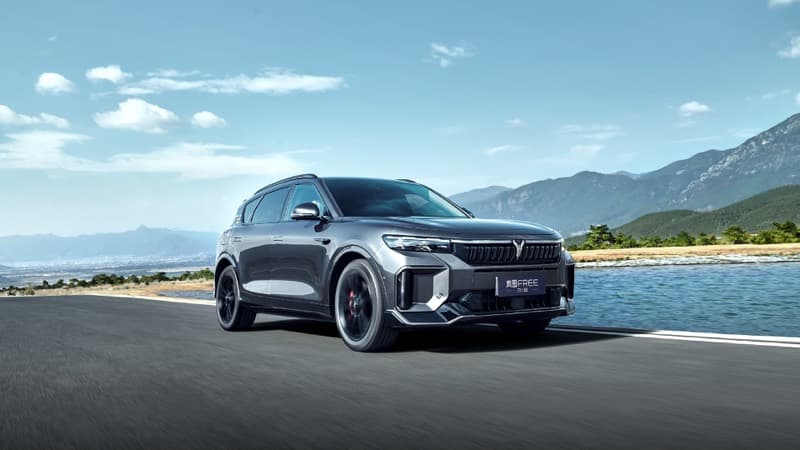
Voyah Free
Large SUV, 4x4, with a range extender (EREV): it always drives on electricity, and the gasoline engine only generates power.
Plug-in hybrids and EREVs in stock
If you can't charge at home, these are the right types: charge at work or at public stations, and keep going on petrol when the battery runs out. Prices are final in Moldova.
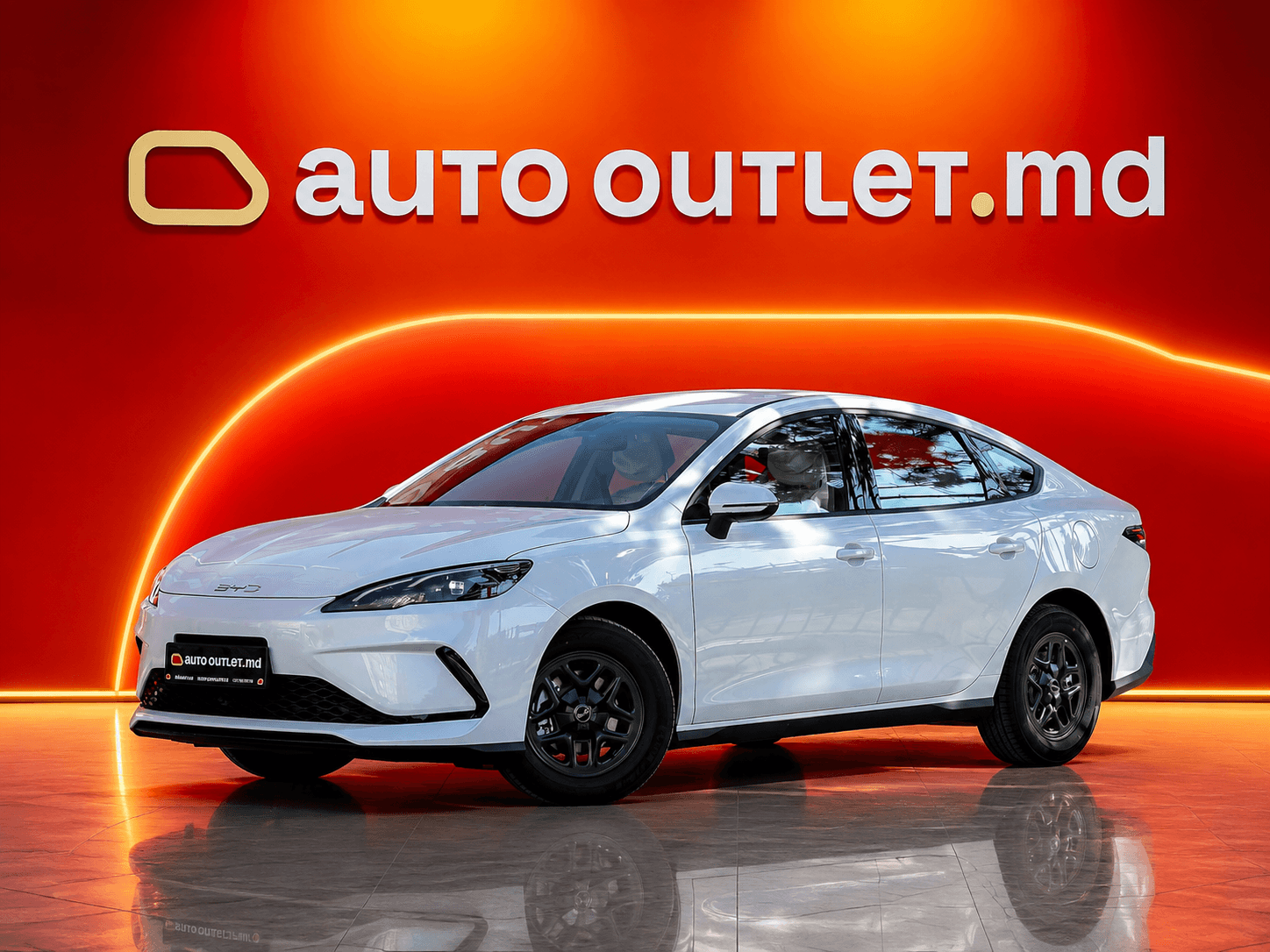 BYD Seal 052025 · new · Plug-in hybrid€14,490In stock
 Geely Galaxy Starship 72024 · 29,000 km · Plug-in hybrid€18,990In stock
 BYD Sealion 052025 · new · Plug-in hybrid€18,990In stock
 Geely Galaxy L72026 · 2,700 km · Plug-in hybrid€22,990In stock
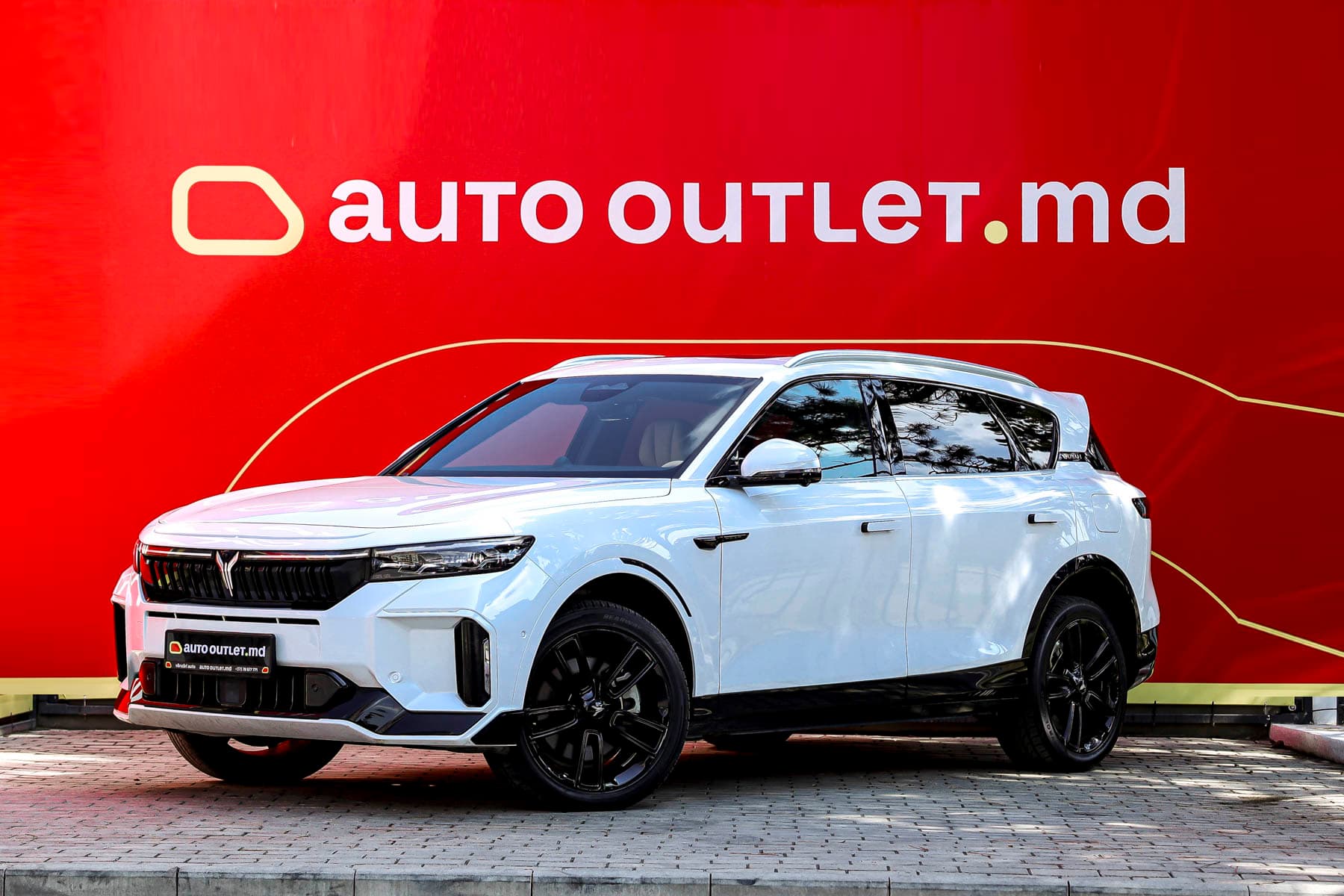 Voyah Free2023 · 40,000 km · EREV · 4x4€27,190In stock
 LiXiang L62024 · 32,000 km · EREV · 4x4€32,990In stock
Stock changes daily. As of October 5, 2026.
Frequently asked questions
Is an electric car worth it if I live in an apartment block?
Does a plug-in hybrid make sense if I never charge it?
Model photos are official manufacturer images (BYD, Voyah).
Update history
- 2026-09-23: added the cost per 100 km at Moldovan rates (ANRE, EV Point, maximum gasoline price); in-stock prices updated.
- 2026-09-22: Voyah Free correctly described as an EREV.